Root canal cost in Kenya typically ranges from KSh 6,000 to KSh 30,000 per tooth, depending on which tooth is treated, where the clinic is, and how complex the infection is. At Elephant Dental Kiambu, a root canal starts from KSh 6,000, which sits at the affordable end of that national range for a procedure that saves a natural tooth rather than losing it to extraction. See our full dental prices in Kenya guide for every service at a glance.
Quick answer: Root canal cost in Kenya runs from KSh 6,000 for a front tooth to about KSh 30,000 for a complex molar, because a molar has three or four canals to clean and seal rather than one. A back tooth usually needs a crown afterwards, from KSh 10,000 at our Kiambu clinic.
Table of Contents
If you are searching “root canal cost in Kenya” because a tooth is hurting right now, you likely want two things fast: an honest number, and reassurance about what actually happens. This guide gives you both, with real pricing and a straightforward walk through the procedure, not a sales pitch dressed up as information. Contact Us HERE>>
Root Canal at a Glance
| Question | Quick answer |
|---|---|
| Cost at Elephant Dental Kiambu | KSh 6,000 per tooth |
| Typical cost range in Kenya | KSh 6,000 to KSh 30,000 per tooth |
| Is it painful? | No, the tooth is numbed; mild soreness for 2 to 3 days after |
| How long does it take? | One to two visits, about 45 to 90 minutes each |
| Does it save the tooth? | Yes, it removes infection and keeps your natural tooth |
| Crown needed afterward? | Often for back teeth, priced separately |
| Success rate | Generally 85% to 97%, among the most reliable procedures in dentistry |
| Alternative | Extraction, but usually costs more overall once a replacement is added |
Root Canal Cost in Kenya: Price Table by Tooth and Extras
| Item | Price at Elephant Dental Kiambu | Typical Kenya market range |
|---|---|---|
| Root canal, per tooth | KSh 6,000 | KSh 6,000 to KSh 30,000 |
| Full oral examination (before treatment) | KSh 6,500 | KSh 1,500 to KSh 6,000 |
| Crown after root canal (often needed) | Ask for a quote | KSh 15,000 to KSh 80,000 |
| Pulpectomy (children) | KSh 3,000 | KSh 5,000 to KSh 10,000 |
A root canal on a molar generally costs more than one on a front tooth almost everywhere in Kenya, since molars have more canals and take longer to treat properly. Nairobi clinics in central and upmarket areas often quote toward the top of the national range, while the same standard of care can cost less outside the city centre, which is one honest reason Elephant Dental Kiambu’s KSh 6,000 price is realistic rather than unusually cheap.
What a Root Canal Actually Is, in Plain Terms
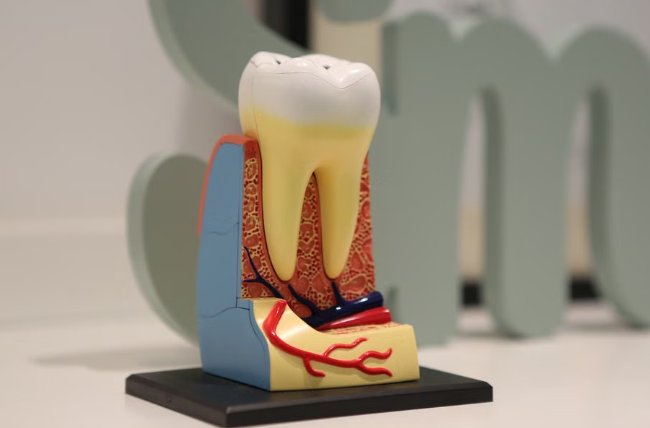
Inside every tooth sits a soft tissue called pulp, packed with nerves and blood vessels that keep the tooth alive. When deep decay, a crack, or an injury lets bacteria reach that pulp, it becomes infected, and that infection is what causes the sharp, often severe pain that sends most people searching for a root canal in the first place.
A root canal removes that infected pulp, cleans out the inside of the tooth, and seals it so the infection cannot spread further. According to the American Dental Association’s patient resource on root canals, the procedure is one of the most common ways dentists save a tooth that would otherwise need to come out entirely. The tooth itself survives without its live pulp, since the outer structure of the tooth does not need the pulp to function once treatment is complete.
Signs You Might Need a Root Canal
A few symptoms consistently show up before a root canal diagnosis, and recognising them early can mean a smaller, cheaper procedure rather than a bigger one. Sharp pain when biting down or applying pressure to a specific tooth. Lingering sensitivity to hot or cold that does not fade quickly after the trigger is removed. Visible swelling or a small bump on the gum near a specific tooth. Darkening of a single tooth compared to the others. Any one of these on its own is worth a dental visit, and more than one together usually means it is time to stop waiting.
Why Root Canal Cost in Kenya Varies So Much
Ask several clinics for a root canal price and the numbers will differ, sometimes by a wide margin, and there are honest reasons for that spread.
Which tooth is being treated matters most. Front teeth typically have a single root canal to clean, while molars can have three or four, which takes longer and costs more almost everywhere.
Location affects overhead, and overhead affects price. Clinics in expensive commercial areas carry higher rent, which shows up in what they charge. This is not unique to dentistry, it is simply how running any business works, and it is one honest reason prices differ between a clinic in central Nairobi and one in Kiambu Town.
Who is treating you plays a role. A specialist endodontist, trained specifically in root canal procedures, sometimes charges more than a general dentist performing the same treatment, reflecting the additional years of specialised training.
Complexity changes the work involved. A straightforward infection caught early is more contained than one that has spread further, and more involved cases take longer chair time regardless of which clinic performs them.
What the KSh 6,000 Price at Elephant Dental Kiambu Includes
A root canal price is only useful once you know what it covers. At Elephant Dental Kiambu, the quoted KSh 6,000 includes the anaesthesia, the removal of infected pulp, cleaning of the canal, and a temporary filling to protect the tooth immediately afterward. It does not usually include the crown that most root canal treated teeth eventually need for long term protection, which is priced separately once your dentist can see exactly what the tooth requires. Our full dental crown and bridge cost guide breaks down what that adds to your total.
This is worth asking directly at any clinic you are comparing, not just this one. A lower headline number that excludes the crown, the X-ray, or the follow up visit is not automatically a lower total cost, it may simply be the first of several bills rather than the full picture.
Root Canal vs Extraction: A Cost Comparison Worth Knowing
Extraction is usually cheaper upfront than a root canal, which understandably tempts some patients toward pulling a painful tooth rather than saving it. The fuller picture matters here. A missing tooth commonly needs replacing eventually, whether with an implant, a bridge, or a partial denture, and each of those options generally costs significantly more than the root canal would have. Extraction also leaves a gap that neighbouring teeth can shift into over time, sometimes creating bite problems that need their own correction later. None of this means extraction is always the wrong choice, sometimes a tooth is too damaged to save, but it is worth knowing the full comparison rather than only the upfront number before deciding.
Is a Root Canal Painful
This is the question behind most root canal searches, and the honest answer surprises people. Modern anaesthesia numbs the area completely during the procedure itself, so most patients feel pressure rather than pain while the treatment is happening. Many patients describe the actual root canal appointment as feeling similar to getting a filling, not the dramatic ordeal its reputation suggests. Afterward, mild soreness for two to three days is common as the area settles, manageable with standard over the counter pain relief. The pain that brought you to the dentist in the first place, the infection itself, is what the procedure resolves, not what it causes.
Root Canal Treatment Side Effects
Most root canal side effects are mild and temporary, part of normal healing rather than a sign of a problem. Soreness and mild swelling for two to three days is the most common, along with sensitivity to biting pressure while the tooth settles. Less commonly, patients notice temporary numbness lingering slightly longer than expected from the anaesthesia, which resolves on its own. Genuine complications are uncommon but worth knowing about: a small number of root canals do not fully resolve the infection on the first attempt and need retreatment, and rarely a tooth can crack after treatment since it is more brittle without its live pulp, which is exactly why a crown is often recommended afterward for back teeth.
Root Canal Before and After: What Actually Changes
Externally, a root canal treated tooth generally looks the same as before treatment, since the procedure works inside the tooth rather than reshaping it. The main visible difference some patients notice is that a tooth which had already darkened from infection before treatment can stay slightly discoloured afterward, since the discoloration was caused by the dying pulp tissue rather than the treatment itself, this is a separate cosmetic issue that whitening or masking can sometimes address afterward. Functionally, the before and after difference is significant even without a visible one, since a successfully treated tooth stops hurting and can be used normally for biting and chewing once fully restored, compared to the pain and sensitivity that were present before treatment.
What Happens if You Delay Treatment
A root canal price does not go down by waiting, and the tooth itself does not improve on its own. Left untreated, the infection can spread beyond the tooth into the surrounding jawbone, sometimes affecting neighbouring teeth, and can develop into a dental abscess, which is both more painful and more expensive to treat than the original root canal would have been. This is not a reason to panic over a mild symptom, but persistent pain, swelling, or sensitivity is worth acting on rather than hoping it resolves by itself. READ MORE>>>
Aftercare: What to Expect in the Days After
The days immediately after a root canal are straightforward if you follow a few basic steps. Avoid chewing on the treated tooth until it has been permanently restored with a filling or crown, since the tooth is more vulnerable until then. Stick to softer foods for the first day or two. Over the counter pain relief manages the mild soreness most patients feel as the area settles. A warm salt water rinse can ease general discomfort. If swelling, severe pain, or a bad taste develops rather than easing over the following days, that is worth contacting your dentist about rather than waiting it out.
Single Visit vs Multiple Visit Root Canal
Some root canals are completed in one appointment, others need two or three visits spaced a week or two apart, and this affects both your schedule and sometimes the total cost. A straightforward infection in a front tooth, caught before it spreads far, is often finished in a single visit.
A more advanced infection, particularly in a molar with several canals, sometimes needs a first visit to clean out the infection and place medication inside the tooth, followed by a second visit once the area has calmed down to complete the filling. Neither approach is better in every case, it depends on what your dentist finds once treatment starts, and a good dentist will tell you honestly which situation yours falls into rather than promising a single visit regardless of what they find.
Root Canal Treatment for Children
Children sometimes need a related but distinct procedure called a pulpectomy, which removes infected pulp from a baby tooth rather than a permanent one. At Elephant Dental Kiambu, a pulpectomy starts from KSh 3,000, generally less than an adult root canal since baby teeth have simpler root structures. Treating an infected baby tooth matters even though it will eventually fall out, since an untreated infection can affect the permanent tooth developing underneath it, and can cause the same kind of pain and swelling in a child that an adult would experience with a similar infection.
Does Insurance Cover Root Canal Treatment in Kenya
Coverage varies significantly between insurance providers and plans in Kenya, so it is worth checking your specific policy rather than assuming either way. Some private health insurance plans include a dental benefit that covers a portion of root canal treatment, while others exclude dental care entirely or cap it at a low annual limit.
NHIF and its successor schemes have historically covered limited dental benefits, and coverage for procedures like root canal treatment specifically should be confirmed directly with your provider rather than assumed from general plan descriptions. If you are paying out of pocket, ask your clinic directly whether they can itemise a receipt in a format your insurer accepts, since this is a simple step that sometimes allows partial reimbursement even without direct billing.
Common Myths About Root Canal Treatment
A few myths about root canals persist despite being outdated or simply untrue, and they are worth addressing directly since they often keep people from seeking treatment they actually need. The first is that root canals are extremely painful, a reputation built on outdated techniques from decades ago rather than the modern anaesthesia used today, which numbs the area completely during the procedure. The second is that pulling the tooth is always simpler and better than saving it, when in most cases keeping your natural tooth through a root canal is the better long term option both functionally and financially, since replacing a missing tooth typically costs more than the root canal would have.
The third, an old and thoroughly discredited claim, is that root canals cause illness elsewhere in the body. This idea traces back to a poorly designed study from the early 1900s and has been rejected by modern dental and medical research for decades, root canal treatment removes infected tissue rather than introducing any new health risk. It is worth knowing this specifically because the claim still circulates online in places that have nothing to do with dentistry, and it occasionally frightens people away from a procedure that is actually protecting their health, not threatening it.
Comparing root canal cost in Kenya across a few clinics is worth doing before committing, provided you are comparing what each price actually includes.
What to Look for When Choosing a Root Canal Provider
A few questions are worth asking any clinic before committing to root canal treatment, not just at Elephant Dental Kiambu. Is the quoted price fixed in writing after an exam, or a rough estimate given without actually seeing the tooth. Does the price include the temporary filling placed immediately after treatment, or is that billed as a separate line item.
Will the same dentist see you through any follow up visits your specific case needs, or will you be handed between different clinicians partway through. And is the clinic upfront about whether you are likely to need a crown afterward, and roughly what that would add to your total cost. A clinic willing to answer these clearly, before you commit to anything, is generally a good sign of how the rest of your treatment will go.
Root Canal Treatment Steps: What the Procedure Involves
Knowing the root canal treatment steps ahead of time takes away most of the fear, because the procedure is more straightforward than its reputation suggests. First, the dentist numbs the tooth completely with local anaesthetic, so the area is fully asleep before anything begins. Next, a small opening is made in the top of the tooth to reach the infected pulp inside. The dentist then cleans out the infected and damaged tissue from the narrow canals inside the root, shapes them, and disinfects the space thoroughly.
Once clean, the canals are filled and sealed with a rubber-like material to keep bacteria out, and a temporary or permanent filling closes the opening. In many cases a crown is placed later to protect the tooth and let it work like a normal tooth again. The whole root canal procedure is done under numbing, so what most people imagine as painful is, in practice, similar to having a filling, just a little longer.
Root Canal Treatment Along Kiambu Road, Thika Road, and Near Nairobi
If you have been searching for root canal treatment along Kiambu Road, Thika Road, or near Nairobi, Elephant Dental Kiambu is on Biashara Street in Kiambu town, an easy trip from either corridor. For patients coming up Kiambu Road from the Ruaka, Banana, and Ridgeways side, or across from the Thika Road side through Ruiru and Kiambu town, having root canal treatment done locally means the follow up visit and any crown fitting are close to home rather than a repeat trip into central Nairobi.
Root canal treatment often needs a second visit for the permanent crown, so a nearby clinic genuinely reduces the time and fare a full course of treatment costs you. The clinic is open seven days a week including Sundays, and the exact price for your tooth is confirmed in writing after an examination.
Why Patients Choose Elephant Dental Kiambu for Root Canal Treatment
Elephant Dental Kiambu is a KMPDC-registered dental practice on Biashara Street, with patients consistently mentioning unhurried explanations and visible sterilisation between patients. Every root canal case is personally assessed by Dr. Winny before treatment begins, working within the wider Elephant Dental network, so the standards applied here match what the network delivers nationally. Every step, from the initial exam to the procedure itself, is explained clearly before it happens, which matters most for a treatment many patients arrive already anxious about.
The clinic is open seven days a week, 8am to 5pm, including Sundays, at Kikinga House on Biashara Street, a short walk from Kiambu Town Main Stage, which matters for a toothache that will not wait for a weekday appointment.
What are the steps of a root canal treatment? The dentist numbs the tooth, makes a small opening, cleans out the infected pulp from the canals, disinfects and shapes them, then fills and seals the space. A filling closes the tooth, and a crown is often added later to protect it.
Where can I get a root canal along Kiambu Road or Thika Road? Elephant Dental Kiambu on Biashara Street in Kiambu town handles root canal treatment seven days a week, an easy trip from both the Kiambu Road and Thika Road corridors, with the exact price confirmed after an examination.
How Much Is a Root Canal in Kenya?
Asked plainly, how much is a root canal in Kenya comes down to which tooth is involved. A front tooth has one canal and takes less time; a back molar can have three or four, each of which has to be cleaned and sealed properly. That is why the root canal cost in Kenya is quoted as a range rather than a flat fee. At our Kiambu clinic it starts from KSh 6,000 and runs to around KSh 30,000 for the most complex molars.
The other half of the answer is what the figure includes. A complete root canal price in Kenya should cover the X-ray, the anaesthetic, cleaning and sealing the canals, and the temporary filling placed afterwards. What it often does not cover is the permanent restoration, and a treated back tooth usually needs a crown to stop it fracturing later. If you are comparing quotes, ask whether that crown is in the figure, because it is the single item most likely to be left out.
So a root canal price in Kenya that looks unusually low is often a quote for the first part of the job only. Adding the crown afterwards is normal and expected rather than an upsell, but you want to know about it when you are budgeting rather than six weeks in.
If you are looking for a root canal in Kiambu, we are opposite Kiambu Level 5 Hospital and open every day from 8am to 5pm. The visit that settles the question is the examination: an X-ray shows how many canals the tooth has and whether root canal treatment is the right call at all, since a tooth that is too far gone is sometimes better extracted and replaced. You will be told which it is, and what each option costs, before anything is started.
If the tooth is keeping you awake or the side of your face has swollen, our page on finding an emergency dentist in Kiambu covers what to do tonight. Otherwise, booking a root canal in Kiambu with us starts with a message on WhatsApp to 0143 178126. Describe the pain and roughly where it is, and we can tell you what the appointment will involve and the range the root canal cost in Kenya is likely to fall into for that tooth.
Frequently Asked Questions About Root Canal Cost in Kenya
How much does a root canal cost in Kenya? Root canal cost in Kenya typically ranges from KSh 6,000 to KSh 30,000 per tooth. At Elephant Dental Kiambu, a root canal starts from KSh 6,000, with your own price confirmed at a consultation.
Does the root canal price include the crown afterward? Usually not. Most root canal quotes, including at Elephant Dental Kiambu, cover the root canal procedure itself, while the crown many teeth need afterward for long term protection is priced separately.
Why do molars cost more for root canal treatment than front teeth? Molars typically have three or four canals to clean compared to a single canal in most front teeth, which takes more time and increases the cost almost everywhere.
Is a root canal more affordable than extraction in the long run? Extraction is usually cheaper upfront, but a missing tooth often needs replacing later with an implant, bridge, or denture, which generally costs more overall than the root canal would have.
Does a root canal hurt? Modern anaesthesia numbs the area completely during treatment, so most patients feel pressure rather than pain. Mild soreness for a few days afterward is normal and manageable with standard pain relief.
Why is my root canal tooth hurting after years? This can indicate the original treatment did not fully resolve, a new cavity or crack in the same tooth, or pain referred from a neighbouring tooth. It is worth a dental exam rather than assuming it will pass, since a tooth that hurt for years after root canal treatment usually has an identifiable, treatable cause.
How long does root canal pain last? The infection pain that brought you to treatment typically resolves once the procedure is done. Mild soreness from the procedure itself usually lasts two to three days, occasionally up to two weeks for a more complex case.
What are the risks of root canal treatment? Root canal treatment is a well established, generally safe procedure. The main risks are a small chance the infection does not fully resolve and needs retreatment, and increased brittleness in the tooth afterward, which is why a crown is often recommended for back teeth.
Get an Honest Price for Your Tooth
You do not need to guess what your treatment will cost. Message Elephant Dental Kiambu on WhatsApp and describe what you are experiencing, and the team will give you an honest first read, with no obligation to book anything further. If it makes sense to move forward, the next step is a full oral exam at KSh 6,500, which gives you a fixed, written price before any treatment begins. You can also call 0143 178126 directly, or use the booking calendar on the clinic’s contact and directions page.
Looking to book rather than compare? Our root canal treatment in Kiambu page covers what the treatment involves, what it includes and how to book a consultation.
Ask About Root Canal Cost on WhatsApp
8 Responses