Signs you need a root canal usually include persistent tooth pain, lingering sensitivity to hot or cold, swollen or tender gums, a pimple-like bump on the gum, tooth discoloration, pain when biting down, and sometimes no symptoms at all. If any of these sound familiar, it is worth getting the tooth checked rather than waiting to see if it resolves on its own.

This guide walks through each sign in detail, explains why it happens, and tells you honestly which symptoms mean act now versus which are worth monitoring for a few days first.
Why Recognising These Signs Early Actually Matters
Catching a root canal issue early tends to mean a smaller, more straightforward procedure and a lower overall cost. Left untreated, the infection inside a tooth does not resolve on its own, it spreads, sometimes into the surrounding jawbone or neighbouring teeth, turning a contained problem into a more complex and more expensive one. Recognising these seven signs is not about self-diagnosing, it is about knowing when it is time to stop waiting and book an exam.
Sign 1: Persistent or Throbbing Tooth Pain
This is the most common sign people notice first. The pain might be constant, or it might come and go but always return to the same tooth. It can feel deep, sometimes radiating to your jaw, ear, or even other teeth on the same side of your face. Ordinary tooth pain from something minor, like a small bit of food stuck between teeth, usually resolves quickly with flossing. Pain that lingers for more than a day or two, especially if it is throbbing or worsening, points toward something happening inside the tooth itself.
Sign 2: Lingering Sensitivity to Hot or Cold
Brief sensitivity to something very hot or very cold is common and not usually a concern on its own. What is worth paying attention to is sensitivity that lingers well after the hot or cold trigger is gone, sometimes for a minute or more. This pattern usually means the nerve inside the tooth is irritated or damaged, which is exactly what a root canal is designed to address.
Sign 3: Swollen or Tender Gums Around One Tooth
Gum swelling localised around a single tooth, rather than general gum irritation across your mouth, often points to an infection at the root of that specific tooth. This can come with tenderness, a feeling of pressure, or discomfort when you touch the area. It is different from general gum sensitivity from brushing too hard, which usually affects a wider area rather than one isolated tooth.
Sign 4: A Pimple-Like Bump on the Gum
A small bump on the gum near a specific tooth, sometimes called a gum boil or dental abscess, is one of the clearer signs something needs attention. It can drain pus occasionally, which sometimes brings temporary relief from pain, but the underlying infection has not gone anywhere. This particular sign is worth acting on promptly rather than waiting, since it indicates an active infection that will not resolve without treatment.
Sign 5: Tooth Discoloration
A tooth that has darkened, greyed, or turned a noticeably different shade from its neighbours can indicate that the pulp inside has died, often due to trauma or a long-standing untreated infection. This sign is easier to notice on front teeth, where the colour change is more visible, but it can happen to any tooth. Discoloration alone does not always mean a root canal is needed, but it is worth a dental check either way.
Sign 6: Pain When Biting Down or Applying Pressure
If a specific tooth hurts when you chew, bite down, or even just tap it lightly, that localised pressure sensitivity often points to inflammation or infection at the root. This differs from general tooth sensitivity, since it is triggered specifically by pressure on one tooth rather than temperature or sweetness.
Sign 7: No Symptoms at All
What These Symptoms Are Not
This is the sign most people do not expect. According to Delta Dental’s patient resource on root canal symptoms, a dentist sometimes discovers deep decay or infection on a routine X-ray or under an existing filling, with the patient having noticed nothing unusual. This is exactly why regular dental checkups matter even when nothing seems wrong, some infections develop quietly before symptoms appear.
Not every toothache means you need a root canal, and it is worth knowing what else can cause similar symptoms so you are not unnecessarily anxious. A cavity caught early, before it reaches the pulp, can often be treated with a simple filling rather than a root canal. Gum irritation from brushing too hard or a small piece of food trapped between teeth can mimic mild discomfort without indicating a deeper problem. Sensitivity from teeth grinding or a recently placed filling settling in is also common and usually temporary. This is exactly why an exam matters, since guessing from symptoms alone, in either direction, is less reliable than an actual look at the tooth.
How a Dentist Actually Confirms You Need a Root Canal
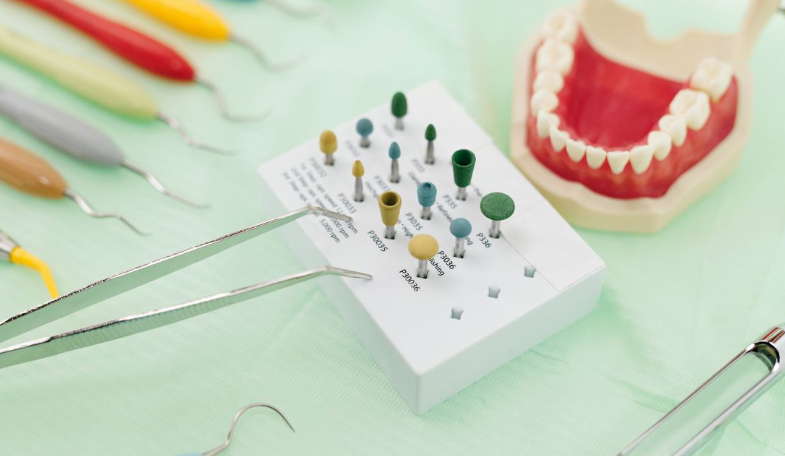
A visual exam alone is not usually enough to confirm the need for a root canal. Your dentist will typically take an X-ray to see what is happening beneath the visible surface of the tooth, checking for infection at the root tip, the extent of decay, and the condition of the surrounding bone. Some dentists also use a cold or electric test on the tooth to check how the nerve responds, since a tooth with a dead or dying nerve reacts differently than a healthy one. This combination of what you describe and what the exam shows is what actually confirms whether a root canal is needed, not any single sign on its own.
What Happens if You Ignore These Signs
Ignoring these signs does not make the underlying problem disappear, and in most cases the situation gradually gets worse rather than better. The infection can spread beyond the tooth into the surrounding jawbone, sometimes developing into a more serious abscess that is both more painful and more expensive to treat than the original root canal would have been. In some cases, waiting too long means the tooth becomes too damaged to save at all, leaving extraction as the only remaining option, which as covered in our root canal vs extraction comparison, often ends up costing more overall once a replacement tooth is factored in.
What to Do if You Recognise These Signs
If one or more of these signs sounds familiar, the next step is simple: book a dental exam rather than waiting to see if it resolves on its own. You do not need to already know whether it is a root canal situation, that is exactly what the exam determines. Bringing a clear description of your symptoms, when they started, and what triggers them, helps your dentist reach an accurate diagnosis faster. If anxiety about the treatment itself is part of what has kept you from booking, our guide on whether a root canal hurts addresses that directly. For a full breakdown of what treatment costs if a root canal is needed, see the root canal cost guide.
Do Signs Differ Between Molars and Front Teeth
The underlying signs are largely the same regardless of which tooth is affected, but a few practical differences are worth knowing. Molars, being harder to see and further back, sometimes develop infections that go unnoticed longer, since discoloration is less visible and the location makes self-examination harder. Front teeth, being more visible, often show discoloration earlier and more obviously, which is sometimes the first sign patients notice before pain even develops. Pain from a molar can also feel less localised, sometimes radiating toward the ear or jaw in a way that makes it harder to pinpoint which specific tooth is the source, which is exactly why an X-ray matters rather than guessing from sensation alone.
What to Do While You Wait for Your Appointment
If you have booked an exam but it is a day or two away, a few standard, safe steps can help manage discomfort in the meantime. Over the counter pain relief, taken as directed, is the appropriate way to manage tooth pain while waiting, not a home remedy involving direct contact with the tooth. Avoid chewing on the affected side. A cold compress against the outside of the cheek can ease swelling if present.
Avoid extremely hot or cold foods and drinks, which tend to trigger sharper sensitivity in an already irritated tooth. If pain becomes severe, or you develop facial swelling or a fever, contact your dentist promptly rather than waiting for your scheduled appointment, since this can indicate the infection is progressing.
Signs in Children: What Parents Should Watch For
Children can show similar signs to adults, persistent pain, sensitivity, or swelling around a specific tooth, though they do not always describe it as clearly. A child avoiding chewing on one side, reluctance to eat hot or cold foods, or unexplained irritability around mealtimes can sometimes be the clearest sign something is wrong with a specific tooth. Baby teeth can develop infections requiring a related procedure called a pulpectomy, and treating an infected baby tooth matters even though it will eventually fall out, since an untreated infection can affect the permanent tooth developing underneath it. If a child complains of tooth pain more than once, it is worth a dental check rather than assuming it will pass.
How These Signs Relate to Overall Gum Health
Root canal symptoms are sometimes confused with gum disease, since both can cause swelling and discomfort in the mouth. The key difference is location and pattern. Gum disease typically causes generalised redness, swelling, and bleeding across a wider area of the gums, often worse near the gumline across several teeth. Root canal symptoms tend to be localised around one specific tooth, with pain, sensitivity, or swelling concentrated in that single area rather than spread broadly. Both conditions are worth a dental visit, but recognising which pattern you are experiencing helps you describe it accurately when you do book an exam, which speeds up an accurate diagnosis.
Keeping Track of Your Symptoms Before Your Appointment
A short mental or written note of what you are experiencing genuinely helps your dentist reach a faster, more accurate diagnosis. Which specific tooth or area seems to be the source, rather than a general sense of mouth pain. Whether the pain is constant or comes and goes, and roughly how long it has been happening.
What triggers it, hot, cold, biting pressure, or nothing identifiable at all. And whether you have noticed any swelling, a bump, or discoloration alongside the pain. None of these details require special knowledge to observe, and having them ready at your exam means less time spent reconstructing the history and more time spent on the actual diagnosis and, if needed, treatment.
The Bottom Line on Recognising These Signs
None of the seven signs covered here require you to become an expert in dental diagnosis. Their real value is simpler: knowing when persistent discomfort, an unusual bump, or a change in a tooth’s color is worth a professional look rather than something to wait out indefinitely. Trusting that instinct, and acting on it sooner rather than later, is consistently what separates a small, straightforward procedure from a bigger, more expensive one down the line.
A Final Note on Self-Diagnosis
It is worth repeating plainly: this guide helps you recognise when something is worth checking, it does not replace an actual exam. Two people can describe strikingly similar symptoms and end up with different diagnoses once X-rays and a proper look are involved. Use these signs as your cue to book an appointment, not as a final answer in themselves.
Why Patients Choose Elephant Dental Kiambu
Elephant Dental Kiambu is a KMPDC-registered dental practice on Biashara Street, with patients consistently mentioning unhurried explanations and visible sterilisation between patients. Every case is personally assessed by Dr. Winny, with a proper X-ray based exam rather than a guess from symptoms alone, working within the wider Elephant Dental network. The clinic is open seven days a week, 8am to 5pm, including Sundays, which matters when tooth pain does not wait for a convenient weekday.
If the pain has already reached the stage of keeping you awake, or the side of your face has started to swell, do not wait for a routine appointment. Our page on finding an emergency dentist in Kiambu sets out what to do tonight and which symptoms mean the hospital rather than a dental clinic.
Frequently Asked Questions About Signs You Need a Root Canal
What is the most common sign you need a root canal? Persistent or throbbing tooth pain that lingers rather than resolving quickly is the most commonly reported sign, though it is not the only one to watch for.
Can you need a root canal without any pain? Yes. A dentist sometimes discovers the need for a root canal on a routine X-ray or under an existing filling, even when the patient has noticed no symptoms at all.
What does it mean if a tooth turns dark or grey? Tooth discoloration often indicates the nerve inside the tooth has died, commonly due to trauma or a long-standing infection, and is worth having checked even without pain.
Is a pimple-like bump on the gum serious? Yes. This is usually a dental abscess, a sign of active infection, and is worth acting on promptly rather than waiting, even if it temporarily eases pain by draining.
How can I tell the difference between a cavity and a sign I need a root canal? Only a dental exam, usually with an X-ray, can confirm this reliably. A cavity caught early is often treatable with a simple filling, while a root canal is needed once the infection reaches the tooth’s inner pulp.
Not Sure if Your Symptoms Mean a Root Canal
You do not need to diagnose yourself before reaching out. Message Elephant Dental Kiambu on WhatsApp and describe what you are experiencing, and the team will give you an honest first read, with no obligation to book anything further. If it makes sense to move forward, the next step is a full oral exam at KSh 6,500, which includes the X-ray needed to confirm what is actually happening. You can also call 0143 178126 directly, or use the booking calendar on the clinic’s contact and directions page.
Describe Your Symptoms on WhatsApp
One Response