
Root canal aftercare in the first few days centres on three things: avoid chewing on the treated tooth, stick to softer foods, and manage mild soreness with standard over the counter pain relief. Most people feel close to normal within three to seven days, with only occasional sensitivity lingering up to two weeks in some cases.
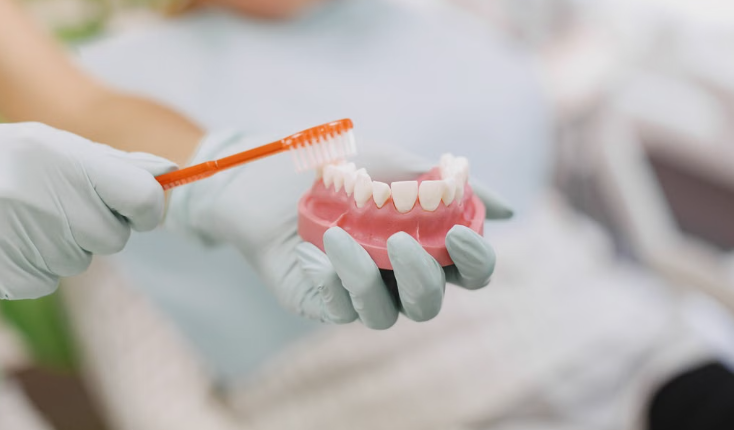
This guide walks through recovery day by day, what to eat, how to manage discomfort, and the specific signs that mean it is time to call your dentist rather than wait it out.
Day One: Right After Your Root Canal
Your mouth will likely still be numb for two to four hours after treatment, so avoid eating or drinking anything hot until feeling returns fully, to prevent accidentally biting your cheek or burning yourself without realising it. Once the numbness fades, mild soreness or tenderness around the treated tooth is normal. Stick to cool or lukewarm soft foods like yoghurt, mashed potatoes, or a smoothie without seeds. Take pain relief as recommended, and brush the rest of your mouth normally, being gentle near the treated area.
Day Two to Day Three: The Peak of Soreness
Tenderness typically peaks during this window and then starts to settle. If biting feels sore, chew on the other side of your mouth for now. Continue with a soft diet, adding some variety like soft pasta, rice, or well cooked vegetables. If you have a temporary filling in place, avoid sticky or very chewy foods that could pull at it. A cold compress against the outside of your cheek for fifteen to twenty minutes at a time can ease any swelling, wrapped in a cloth rather than applied directly to your skin.
Day Four to Day Seven: Steady Improvement
By this point, most patients notice a clear improvement. Light pressure sensitivity may still occur when biting, but sharp pain should not be present. Continue avoiding the treated tooth for chewing until your permanent restoration is placed. Keep up your normal oral hygiene routine, brushing and flossing gently near the treated area, and complete any prescribed antibiotics fully even if you are feeling better, since stopping early can allow the infection to return.
Week Two and Beyond: Full Healing
Most people are fully back to normal eating and daily activity well within two weeks. Some mild sensitivity to hot or cold can linger a little longer as the area finishes settling, which is not unusual. According to the American Association of Endodontists, some jaw soreness and tenderness can persist for several days as part of normal healing, and their guidance also emphasises protecting the tooth from heavy chewing until it is fully restored. Internal healing, particularly if the infection had affected the bone around the root tip, can continue for months even after the tooth feels normal, which is one reason your dentist may recommend a follow up X-ray down the line to confirm everything has healed as expected.
What to Eat After a Root Canal
The first few days call for softer foods that do not require much pressure to chew. Good options include yoghurt, scrambled eggs, mashed potatoes, soups without hard bits, smoothies, soft pasta, rice, and well cooked vegetables. Avoid very hot or very cold foods and drinks in the first day while any lingering numbness could mask an accidental burn. As soreness eases over the following days, most people can gradually reintroduce their normal diet, still avoiding hard or sticky foods on the treated side until the permanent filling or crown is in place.
Getting root canal aftercare right during this window makes a genuine difference to how quickly you feel normal again.
Managing Pain and Swelling Safely
Over the counter pain relievers like ibuprofen or paracetamol are usually enough to manage typical soreness, taken according to the package directions or your dentist’s specific advice. A cold compress against the cheek near the treated area helps with swelling if present. Staying hydrated and getting adequate rest genuinely supports healing, your body needs energy to repair tissue, not just time. If your dentist prescribed antibiotics, take the full course as directed, even once you are feeling better, since stopping early risks the infection returning.
Do You Need a Crown After a Root Canal
Many teeth, particularly back teeth that handle significant chewing pressure, need a crown after a root canal to protect them from fracturing, since the tooth is more brittle without its live pulp. This is usually placed two to three weeks after the root canal, once your dentist confirms the area has healed properly. Front teeth with enough remaining structure sometimes do well with a bonded filling instead, depending on the specific case. Until your permanent restoration is placed, whether a crown or a filling, avoid chewing hard foods with the treated tooth, since it remains more vulnerable in the meantime.
Why Your Tooth Might Still Feel Sensitive After Treatment
A common and understandable question is why a tooth can still feel something after the nerve inside it has been removed. Root canal treatment removes the pulp tissue from inside the tooth itself, but it does not remove the nerves in the surrounding gum, jawbone, and the ligament that holds the tooth in its socket. Mild sensitivity when biting in the days after treatment often comes from these surrounding tissues, which were also inflamed by the original infection, settling down, not from the tooth itself.
Most of root canal aftercare is uneventful, which is exactly why these specific warning signs stand out when they do appear.
Warning Signs to Watch For
Most recovery follows a steady, gradual pattern of improvement. A few signs are worth contacting your dentist about rather than waiting out. Severe pain that does not ease with over the counter relief, or that worsens rather than improves after the first couple of days. Swelling that is spreading rather than settling. A fever, or a bad taste suggesting ongoing infection. Symptoms that return after initially feeling better. A feeling that your bite is uneven or that the tooth feels unusually high when you close your mouth, which can sometimes need a simple adjustment. None of these are common, but catching them early generally means a simple fix rather than a bigger problem.
Persistent Pain Does Not Always Mean Something Went Wrong
If discomfort continues longer than expected, that does not automatically mean the root canal has failed. Sometimes the tooth simply needs a small bite adjustment, a bit more healing time, or the discomfort is coming from a different source entirely, such as a neighbouring tooth or the jaw joint. What matters is not waiting several weeks to mention worsening or unusual symptoms to your dentist, since an early check can often identify a simple cause before it becomes anything more complicated.
When Can You Return to Normal Activities
Most patients can return to work, school, or normal daily activities the day after a root canal if only local anaesthesia was used, though some prefer to take it easy for the first twenty four hours. Light activity is generally fine from day one, while heavier exercise or strenuous activity is worth delaying a day or two if you are still feeling sore. If you received sedation beyond local anaesthesia, plan for a longer recovery window before driving or returning to normal activities, and arrange for someone to take you home from your appointment.
A surprising number of root canal aftercare problems trace back to one of these avoidable habits rather than the treatment itself.
Common Aftercare Mistakes Worth Avoiding
A few habits tend to slow recovery unnecessarily. Chewing on the treated tooth too soon, before it is protected by a permanent filling or crown, risks cracking a tooth that is more brittle than usual in this window. Skipping prescribed antibiotics once you start feeling better, rather than completing the full course, risks the infection returning even though symptoms had improved. Ignoring a bite that feels uneven or too high, rather than mentioning it at a follow up, can leave unnecessary pressure on the tooth for longer than needed. And delaying the permanent crown or filling once your dentist recommends it leaves the tooth vulnerable for longer than necessary, since a temporary filling is not designed for indefinite daily chewing.
Aftercare Differences Between Molars and Front Teeth
Molars, which handle the bulk of chewing pressure, almost always need a crown after a root canal for long term protection, and aftercare during the temporary filling window is worth taking seriously, avoiding hard or sticky foods on that side entirely. Front teeth, which handle less direct chewing force, sometimes do well with a simpler bonded filling rather than a full crown, depending on how much healthy structure remains. Either way, the core aftercare principles, avoid heavy pressure on the tooth, keep the area clean, and complete your follow up visit, apply regardless of which tooth was treated.
Good root canal aftercare in the first two weeks sets the stage for a tooth that can genuinely last for years afterward.
Protecting Your Tooth for the Long Term
Once your root canal treated tooth has its permanent restoration in place, it can generally function normally for the rest of your life with reasonable care. Regular brushing and flossing, just as you would for any other tooth, keeps the surrounding gum and bone healthy. Routine dental checkups allow your dentist to monitor the tooth over time, since a follow up X-ray occasionally shows healing progress that is not otherwise visible or felt. Avoiding very hard foods that could crack even a crowned tooth, and wearing a mouthguard if you play contact sports, both help protect your investment in saving the tooth over the years ahead.
Oral Hygiene Tools Worth Using During Recovery
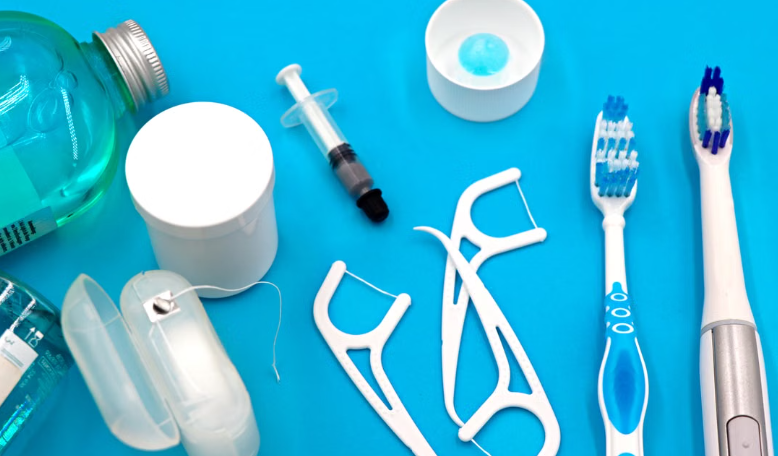
A few simple additions to your normal routine can make aftercare more comfortable without much extra effort. A soft-bristled toothbrush is gentler on a tooth and gum area that is still settling than a medium or firm brush. An antibacterial mouthwash, used as directed, helps keep the area clean without requiring vigorous brushing right where it is tender. If flossing near the treated tooth feels uncomfortable with a temporary filling in place, sliding the floss out from the side rather than pulling it up and out reduces the risk of dislodging the temporary material. None of this replaces your dentist’s specific instructions for your case, but these small adjustments genuinely make the recovery window more comfortable for most patients.
These small adjustments to your routine are as much a part of root canal aftercare as anything you do at the dinner table.
Sleep, Rest, and Daily Activity During Recovery
A few practical adjustments to your daily routine in the first couple of days support smoother healing. Sleeping with your head slightly elevated on an extra pillow can help reduce any swelling in the treated area overnight. Avoiding alcohol in the first day or two is worth doing if you have been prescribed pain medication or antibiotics, since combining them is generally not recommended. Light activity, walking, normal desk work, is fine from the day after treatment for most patients, while intense exercise is worth delaying if you are still feeling sore, since increased blood flow can sometimes amplify throbbing discomfort in the treated area. None of these adjustments need to last more than a few days for most patients.
Traveling During Root Canal Aftercare
If travel is unavoidable during your recovery window, a small amount of preparation helps. Pack over the counter pain relief, and if prescribed, your full course of antibiotics, in your carry-on rather than checked luggage. Avoid extremes of altitude related pressure change immediately after treatment if you have any option to delay travel by even a day or two, since some patients notice increased sensitivity with pressure changes very soon after a procedure. If travel means missing a scheduled follow up appointment for your permanent crown or filling, contact your clinic ahead of time to reschedule rather than leaving a temporary filling in place longer than recommended.
A Final Reminder on Aftercare
Good root canal aftercare is mostly about patience and following a handful of straightforward steps consistently, not about doing anything complicated. Protect the tooth, manage soreness sensibly, keep your follow up appointment, and reach out if something feels off rather than guessing. That combination is what turns a treated tooth into one that lasts for years without further issues. READ MORE>>>
If Healing Does Not Go as Expected
In a small number of cases, a root canal treated tooth does not heal fully, sometimes due to a canal that was harder to fully clean, or a new crack developing later. This does not mean the original treatment failed unnecessarily, root canals have a high success rate overall, but it is worth knowing that retreatment or, occasionally, a minor surgical procedure remain available options if a tooth does not settle as expected. Symptoms that returned after initially improving, or a tooth that never fully stopped bothering you, are both reasonable prompts for a follow up exam rather than assuming nothing more can be done.
Why Patients Choose Elephant Dental Kiambu for Root Canal Aftercare
Elephant Dental Kiambu is a KMPDC-registered dental practice on Biashara Street, and questions during recovery, is this normal, should I be worried, can be sent directly over WhatsApp rather than waiting for your next scheduled visit. Every case is personally overseen by Dr. Winny, and the clinic is open seven days a week, 8am to 5pm, including Sundays, which matters if something needs an earlier look than your next planned appointment. Talk to us HERE>>>
Pain that is getting worse rather than settling in the days after treatment is worth acting on quickly. Our page on reaching an emergency dentist in Kiambu explains which symptoms need same-day attention and which can wait for a routine review.
Frequently Asked Questions About Root Canal Aftercare
How long does root canal recovery take? Most people feel significantly better within three to seven days, with full recovery typically complete within about two weeks, though internal bone healing can continue longer if the infection had spread to that area.
What should I eat after a root canal? Soft foods like yoghurt, mashed potatoes, scrambled eggs, and soups are best for the first few days. Avoid hard, sticky, or very hot or cold foods until soreness eases and any temporary filling is replaced.
Can I go to work the day after a root canal? Most patients can return to work or school the next day if only local anaesthesia was used, though taking it easy for the first twenty four hours is reasonable if you are still sore.
Do I need a crown after a root canal? Often yes, particularly for back teeth, since the tooth becomes more brittle without its pulp. Your dentist will confirm whether a crown or a simpler filling is right for your specific tooth.
When should I call my dentist during recovery? Contact your dentist if pain is severe or worsening, swelling is spreading, you develop a fever, symptoms return after improving, or your bite feels uneven, rather than waiting for your next scheduled visit.
How do I stop throbbing pain after a root canal? Over the counter pain relief taken as directed, a cold compress against the outside of the cheek, and avoiding chewing on the treated tooth usually settles throbbing discomfort within a day or two. If throbbing pain is severe or worsening rather than easing, contact your dentist rather than waiting it out.
Recovering From a Root Canal and Have a Question
Do not wait for your next scheduled visit if something is bothering you. Message Elephant Dental Kiambu on WhatsApp with any question about your recovery, and the team will help directly. You can also call 0143 178126, or use the booking calendar on the clinic’s contact and directions page if an earlier visit is needed.
Ask a Recovery Question on WhatsApp
3 Responses