Root canal vs extraction comes down to one honest trade off. A root canal costs more upfront but saves your natural tooth, while extraction is cheaper immediately but usually needs a replacement tooth later that costs more overall. According to the American Association of Endodontists, choosing a root canal is more often the less expensive route in the long run, and nothing replaces a natural tooth quite like keeping the one you already have.

If a dentist has given you both options and you are trying to decide, this guide walks through the real difference in cost, pain, recovery, and long term outcome, so you can make the choice with full information rather than picking whichever sounds simpler in the moment.
Three Questions to Ask Before Choosing Between Root Canal and Extraction
Before comparing costs, it helps to answer three questions honestly, since they narrow the decision faster than any price comparison can. Is the tooth actually savable, meaning is enough healthy structure left, or has damage gone too far, covered in our guide to the signs you need a root canal if you are still at the symptom stage. What happens to the gap if you extract and do not replace the tooth, particularly for a back tooth used for chewing. And how much does keeping your natural tooth, rather than a replacement, actually matter to you personally. Most people already have a strong instinct about at least one of these, a proper exam settles the rest.
Root Canal vs Extraction: Quick Comparison Table
| Factor | Root canal | Extraction |
|---|---|---|
| Upfront cost | Higher | Lower |
| Long term cost | Often lower overall | Often higher once replacement is added |
| Keeps natural tooth | Yes | No |
| Recovery time | A few days | A few days to two weeks |
| Follow up needed | Often a crown | Often an implant, bridge, or denture |
| Best suited for | Teeth that can still be saved | Teeth too damaged, cracked below the gumline, or unstable |
What a Root Canal Actually Does
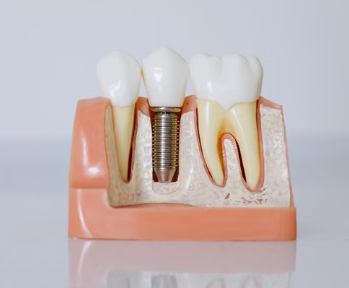
A root canal removes infected pulp from inside a damaged or infected tooth, cleans the space, and seals it, leaving the outer tooth structure in place. Once healed, the tooth is usually protected with a crown and can function normally for chewing and speaking, in many cases for the rest of your life. For a full breakdown of what this costs in Kenya, see the root canal cost guide.
What Extraction Actually Does
Extraction removes the entire tooth from its socket. It is a faster, generally simpler procedure than a root canal, and it does eliminate the infection completely since the source of the problem is gone. What it does not do is preserve your natural bite. A gap left by extraction, particularly a back tooth, tends to let neighbouring teeth shift over time, which can create bite problems that need their own correction later, and can also lead to gradual loss of jawbone density in that area since the bone no longer has a tooth root stimulating it.
The Real Cost Comparison, Not Just the Upfront Number
Extraction alone is cheaper than a root canal alone, that part is true almost everywhere. The comparison that actually matters is extraction plus replacement versus root canal plus a crown. Most extracted teeth, especially back teeth used for chewing, eventually need replacing with an implant, bridge, or denture, and each of those options generally costs meaningfully more than the crown a root canal treated tooth needs. When you add up the full picture rather than just the first bill, saving the tooth is frequently the better value, not just the more comfortable choice.
This does not mean extraction is always the wrong call. Some people genuinely prefer to avoid a multi-step root canal and crown process, or a tooth is missing enough structure that a root canal would not hold up regardless of cost. The point is simply to compare full costs against full costs, not a root canal’s total price against extraction’s first bill.
When Extraction Is Actually the Better Choice
Root canal is not always possible or advisable. A tooth with a severe fracture that extends below the gumline usually cannot be saved regardless of how skilled the dentist is, since there is not enough remaining structure to seal and crown. Advanced gum disease that has already loosened the tooth’s support in the bone can make extraction the more realistic option. And a previously treated tooth that has failed a root canal and cannot be successfully retreated sometimes leaves extraction as the remaining path. In each of these situations, a good dentist recommends extraction not because it is easier, but because it is genuinely the better option for that specific tooth.
Which Is More Painful: Root Canal or Extraction
This surprises most people. According to the American Association of Endodontists, patients who choose root canal treatment are considerably more likely to describe the experience as painless compared to patients who choose extraction. Both procedures use local anaesthesia and are not painful during the actual treatment. Afterward, root canal recovery tends to involve milder, shorter lived soreness, while extraction recovery often involves more noticeable discomfort, some swelling, and occasionally a longer healing window, particularly for a surgical extraction. Our full guide on whether a root canal hurts breaks this down stage by stage if pain is your main concern.
Recovery Time: Root Canal vs Extraction
Root canal recovery is usually the shorter of the two, most patients feel back to normal within a few days, with only mild sensitivity lingering for up to two weeks in some cases. Extraction recovery, particularly for a molar or a surgical extraction, commonly takes closer to two weeks for the socket to heal fully, and requires more careful aftercare in the early days to avoid complications like dry socket. Neither recovery is severe for most patients, but if a fast return to normal eating and speaking matters to you, that is worth factoring into the decision alongside cost.
What Happens if You Choose Extraction Without Replacing the Tooth
Some patients decide to leave the gap rather than pay for a replacement, and it is worth understanding what that choice actually means over time. Neighbouring teeth gradually drift toward the empty space, which can affect your bite and sometimes your speech. The opposing tooth, with nothing to bite against, can also shift further than it should. Jawbone in that area slowly loses density without a tooth root to stimulate it, which can affect facial structure over years, not months. None of this happens overnight, and some patients do choose to live without replacing a back tooth, but it is a decision worth making with the full picture rather than by default.

An Illustrative Example
This is an illustrative scenario to make the trade off concrete, not a real patient case. Consider a patient with a badly infected molar who is quoted a lower price for extraction than for a root canal and crown. On the surface, extraction looks like the more affordable choice. Once an implant is factored in to replace that molar later, since a missing back tooth affects chewing meaningfully, the total cost of extraction plus implant often ends up higher than the root canal and crown would have been from the start. This is exactly the comparison worth running before deciding, not the first number quoted for each option in isolation.
A Worked Example of the Full Cost Comparison
Numbers make this clearer than description alone. Say a root canal on a molar starts from KSh 6,000, and the crown it typically needs afterward adds roughly KSh 15,000 to KSh 30,000, putting the full treatment somewhere between KSh 21,000 and KSh 36,000. Extraction of the same tooth might cost a few thousand shillings upfront, noticeably less at first glance.
If that gap is later filled with a dental implant, a common replacement for a missing molar, the total cost including the extraction itself often lands well above what the root canal and crown would have cost, sometimes significantly higher. A bridge or partial denture tends to cost less than an implant but still typically exceeds the root canal route once fully priced out. This is the comparison worth running for your specific situation, not just the two upfront numbers in isolation.
How Long Each Procedure Takes at the Dentist
A root canal typically takes longer in the chair than an extraction, often forty five minutes to over an hour for a single visit, sometimes split across two appointments for a more complex molar. Extraction is usually faster, often fifteen to thirty minutes for a straightforward case, longer if it is a surgical extraction requiring more careful removal. If you are choosing based partly on how much time you can realistically set aside, it is worth asking your dentist for a time estimate specific to your tooth rather than assuming either procedure will fit a fixed slot.
What if You’re Still Unsure Which Option Fits Your Situation
It is completely reasonable to feel torn between the two options, this is a genuinely personal decision that depends on your budget, your tolerance for a longer treatment process, and how much keeping your natural tooth matters to you specifically. A second opinion is a reasonable step if you are not fully comfortable with the first recommendation you receive, particularly for a case that could go either way. What matters most is that whichever option you choose, you are choosing it with the full picture, not just the smaller number on the first quote you saw.
A Simple Checklist Before You Decide
A short checklist can help organise the decision once you have the facts from your exam. Has your dentist confirmed the tooth is actually savable, or is extraction the only realistic option regardless of preference. Have you compared the full cost of each path, including a likely crown for root canal or a likely replacement for extraction, not just the first number.
Does your timeline allow for a root canal’s typically longer treatment process, or do you need a faster resolution. And how much does keeping your natural tooth matter to you personally, since this is a legitimate factor even beyond the financial comparison. Working through these four points with your dentist usually makes the right choice for your root canal vs extraction decision clear.
Root Canal vs Extraction for Children’s Teeth
The same decision comes up for children, though with a few different considerations. For baby teeth close to naturally falling out, extraction is sometimes the more practical choice, since a pulpectomy or a full root canal may not be worth the process for a tooth with a limited remaining lifespan. For a baby tooth with years left before it would naturally fall out, saving it matters more, since it holds space for the permanent tooth developing underneath and helps guide proper alignment.
For permanent teeth in children and teenagers, the same root canal vs extraction principles that apply to adults generally hold, saving the natural tooth is usually preferable when the tooth is genuinely savable. A dentist experienced with paediatric cases can walk you through which situation your child’s specific tooth falls into.
Root Canal vs Extraction: The Bottom Line
Neither option is universally right, and a dentist who pushes one option regardless of your specific tooth is not serving your interests. Root canal generally wins on preserving your natural bite and often on total long term cost. Extraction generally wins on speed and, for a tooth that genuinely cannot be saved, is simply the more realistic path forward. The right decision comes from an honest exam of your specific tooth, weighed against your own priorities, not from a generic rule that applies to every case the same way.
One Last Thing Worth Remembering
Whichever way this decision goes, delaying it rarely helps. An infected tooth does not improve by waiting, and the longer it sits untreated, the more likely extraction becomes the only remaining option even if root canal would have worked earlier. Getting an exam sooner keeps both options genuinely open.
Why Patients Choose Elephant Dental Kiambu for This Decision
Elephant Dental Kiambu is a KMPDC-registered dental practice on Biashara Street. Every case is personally assessed by Dr. Winny before either option is recommended, working within the wider Elephant Dental network, so you get an honest read on whether your specific tooth is genuinely savable rather than a default recommendation either way. Every step is explained clearly before it happens, so you understand exactly what you are choosing between and why.
The clinic is open seven days a week, 8am to 5pm, including Sundays, at Kikinga House on Biashara Street, a short walk from Kiambu Town Main Stage, which matters when a decision like this often needs to happen quickly.
Frequently Asked Questions About Root Canal vs Extraction
Is a root canal cheaper than extraction in the long run? Extraction alone is usually cheaper upfront, but once a replacement tooth like an implant, bridge, or denture is added, a root canal and crown often costs less overall.
Which is more painful, a root canal or an extraction? Root canal patients are generally more likely to describe the experience as painless compared to extraction patients, according to the American Association of Endodontists. Both use local anaesthesia during treatment.
When is extraction the better choice instead of a root canal? Extraction is usually recommended when a tooth has a severe fracture extending below the gumline, advanced gum disease has loosened its support, or a previous root canal has failed and cannot be retreated.
What happens if I extract a tooth and don’t replace it? Neighbouring teeth can gradually shift into the gap, the opposing tooth can over erupt, and the jawbone in that area can slowly lose density over time without a tooth root to stimulate it.
How do I know if my tooth can still be saved with a root canal? Only a dental exam, usually including an X-ray, can confirm this. A dentist checks how much healthy tooth structure remains and whether the surrounding bone and gum can support the tooth long term.
Get an Honest Recommendation for Your Tooth
You do not need to decide alone. Message Elephant Dental Kiambu on WhatsApp and describe what is going on with your tooth, and the team will give you an honest first read on whether it can likely be saved, with no obligation to book anything further. If it makes sense to move forward, the next step is a full oral exam at KSh 6,500, which gives you a fixed, written recommendation and price. You can also call 0143 178126 directly, or use the booking calendar on the clinic’s contact and directions page.
If the tooth in question is a wisdom tooth, the calculation is different again. See our guide to wisdom teeth removal in Kenya.
Ask Which Option Is Right for Me on WhatsApp
3 Responses