Dental implants cost in Kenya typically ranges from KSh 80,000 to KSh 250,000 for a single tooth, with the final figure depending on the implant material, whether bone grafting is needed, and the crown placed on top. At Elephant Dental Kiambu, the exact cost of your implant is confirmed only after an examination and jaw X-ray, since an honest implant quote genuinely cannot be given without seeing your bone and gum health first. This guide gives you the real market ranges, the full procedure, and honest answers to every question people ask before committing, so you can make this decision with your eyes open. See our full dental prices in Kenya guide for every service at a glance.
A dental implant is the closest modern dentistry comes to giving you a real tooth back. If you have lost a tooth, or are weighing an implant against a bridge or dentures, this is one of the most important dental decisions you will make, and it deserves clear, honest information rather than a sales pitch or a scary price with no context.
Dental Implants at a Glance
| Question | Quick answer |
|---|---|
| Single implant range in Kenya | KSh 80,000 to KSh 250,000 |
| Exact price at Elephant Dental Kiambu | Confirmed after exam and jaw X-ray |
| How long do they last? | The post can last a lifetime; the crown 10 to 15 years |
| Is it painful? | Surgery is numbed; a few days of mild soreness after |
| How long is the surgery itself? | 1 to 2 hours per implant, under local anaesthesia |
| How long is the full process? | 3 to 6 months total, mostly healing time for the bone to fuse to the implant |
| Success rate | Over 95%, one of the highest success rates in dentistry |
| Implant vs bridge? | An implant preserves neighbouring teeth and jawbone; a bridge does not |
| Implant vs denture? | An implant is fixed and feels natural; a denture is removable and cheaper |
Dental Implants Cost in Kenya: The Real Market Ranges
| Implant treatment | Typical price range in Kenya |
|---|---|
| Single tooth implant (with crown) | KSh 80,000 to KSh 250,000 |
| Multiple or front-teeth implants | KSh 250,000 to KSh 900,000+ |
| Full arch (All-on-4 / All-on-6) | KSh 600,000 to KSh 1,500,000+ |
| Bone graft (if needed) | KSh 50,000 to KSh 190,000 |
| Sinus lift (if needed) | KSh 45,000 to KSh 100,000 |
| Your exact price at Elephant Dental Kiambu | Confirmed after exam and X-ray |
You will see wildly different implant prices quoted across Kenya, and there is an honest reason for it: an implant is not a single fixed product, it is a surgical treatment plan built around your specific mouth. A patient with healthy, dense jawbone and a straightforward single gap is a very different case, and a very different cost, from a patient who needs a bone graft or a sinus lift first. This is exactly why any clinic quoting you a firm implant price over the phone, before seeing your jaw, is guessing, and why the genuinely trustworthy answer is a proper assessment.
What Is a Dental Implant, Exactly
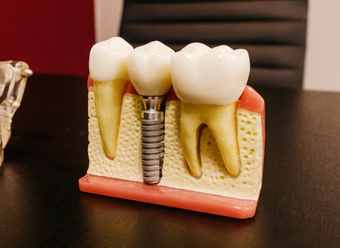
According to Cleveland Clinic, a dental implant is a permanent artificial tooth root, usually made of titanium, that is surgically placed into your jawbone to support a replacement tooth. It has three parts working together: the implant post, the titanium screw that acts as the artificial root inside the bone; the abutment, a small connector fixed on top of the post; and the crown, the custom-made, natural-looking tooth that sits on the abutment and is the only part you actually see. Together, they replace a missing tooth from the root up, which is what makes an implant feel and function so much like a natural tooth.
The Dental Implant Procedure, Step by Step
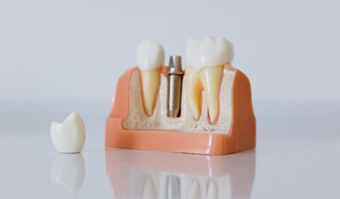
Understanding the process removes most of the fear people carry into this decision. It happens in clear stages, spread over several months, not all at once. First comes the consultation and assessment, where the dentist reviews your health, takes a jaw X-ray, and confirms whether your bone can support an implant. Next is the placement surgery, where the area is fully numbed, a small opening is made in the gum, and the titanium post is placed into the jawbone.
Then comes the most important, and most patient, stage: healing, or osseointegration, where over roughly three to six months your jawbone naturally fuses to the titanium post, locking it in place as securely as a real root. Only once that fusion is complete does the final restoration happen, where the abutment is attached and your permanent crown is secured on top. The long timeline is not a delay, it is the biology that makes an implant last, and it is why implants succeed where quicker fixes eventually fail.
Why Are Dental Implants So Expensive
It is a fair question, and it deserves an honest answer rather than a defensive one. An implant costs more than a bridge or denture because you are paying for considerably more: a minor surgical procedure performed by trained hands, a premium titanium fixture engineered to fuse with living bone, a custom-made crown, the imaging and planning that precede it, and often several appointments across months of careful healing.
You are also paying for permanence. Unlike a denture that is replaced repeatedly over the years or a bridge that relies on grinding down neighbouring teeth, a well-placed implant is built to last decades, often a lifetime. Viewed over that timeline, the higher upfront cost often works out as the more economical choice, not the more expensive one.
Dental Implants vs Bridge: Which Is Right for You
This is one of the most common decisions patients face, and both are legitimate options. A bridge is faster and cheaper upfront, and does not require surgery, but it works by anchoring to the healthy teeth on either side of the gap, which means grinding those teeth down to hold it. An implant stands on its own, touching nothing else, so it preserves your neighbouring teeth entirely, and it also stimulates the jawbone the way a real root does, preventing the bone loss that eventually follows a missing tooth.
If protecting your other teeth and your jawbone matters to you, and you can accommodate the longer timeline and higher cost, an implant is generally the superior long-term choice. Our crown and bridge cost guide covers the bridge option in full detail.
Dental Implants vs Dentures: An Honest Comparison
Dentures remain a genuinely valid, budget-friendly way to replace missing teeth, particularly when several or all teeth are gone. The honest trade-offs are these: dentures are removable, rest on the gums rather than being anchored in bone, can shift or click while eating and speaking, and do nothing to stop the gradual jawbone shrinkage that changes facial shape over the years. Implants are fixed, feel like your own teeth, and actively preserve bone.
Many patients genuinely choose dentures for good reasons of cost or circumstance, and that is a legitimate choice, but if permanence and feel are the priority, implants are what dentures are trying to imitate. Our dentures cost guide covers that option honestly if it fits your situation better.
How Long Do Dental Implants Last
This is where implants genuinely justify their cost. With good daily brushing and flossing and routine dental checkups, the implant post itself, the part fused into your bone, can last a lifetime. The crown on top, which takes the daily wear of chewing, may need replacing after roughly ten to fifteen years, which is a far smaller cost than the whole implant. Compared to a bridge that typically needs replacing every decade or so, or dentures that are remade repeatedly, the implant is the most durable tooth replacement modern dentistry offers, and that longevity is central to why it costs what it does.
Do Dental Implants Hurt
The surgery itself is not painful, since the area is fully numbed with local anaesthesia, and sedation options exist for anxious patients. Most people are genuinely surprised by how manageable it is. Afterward, some swelling, mild bruising, and soreness for a few days is normal as the area heals, comparable to a tooth extraction, and is managed well with standard pain relief. Patients frequently report that the anticipation was far worse than the reality. Given that the alternative is living with a missing tooth and the bone loss that follows, the few days of mild recovery are a small price for a permanent result.
What Are the Disadvantages of Dental Implants
An honest guide names the downsides too, and there are real ones. The upfront cost is the biggest, implants are the most expensive tooth replacement option initially. The timeline is long, often three to six months from placement to final crown, because the bone fusion cannot be rushed. It is a surgical procedure, so it carries the small risks any minor surgery does.
And not everyone is an immediate candidate, patients with insufficient jawbone may need a bone graft first, and uncontrolled conditions like diabetes or heavy smoking can affect healing and success rates. None of these are reasons to avoid implants, but they are reasons to have an honest assessment before deciding, which is exactly what a proper consultation provides.
When Do Dental Implants Fail, and Why
Implant failure is uncommon, dental implants have one of the highest success rates in dentistry, but being straight about it builds more trust than pretending it never happens. When implants do fail, it is usually for identifiable reasons: the bone did not fully fuse to the post during healing, an infection developed around the implant from poor cleaning, heavy smoking impaired healing, or an uncontrolled health condition interfered. Most of these are preventable or manageable when caught early, which is why the assessment beforehand and the checkups afterward genuinely matter. A clinic that discusses failure honestly, rather than promising a guaranteed result, is the one treating you like an adult.
Is It Better to Save a Tooth or Get an Implant
Almost always, saving your natural tooth is the better choice when it is genuinely savable. Nothing replaces a real tooth quite like keeping it, and a root canal to save a tooth is generally less costly and less involved than extracting it and placing an implant. An implant becomes the right answer when a tooth is truly beyond saving, cracked below the gumline, too decayed to restore, or already lost. If you are weighing this, our root canal cost guide covers the save-the-tooth route, and an honest dentist will always tell you if your tooth can still be saved rather than pushing you toward the more expensive implant.
Understanding dental implants cost in Kenya only matters once candidacy is confirmed, since the price is meaningless if a bone graft or other prerequisite changes the plan entirely.
Are You a Candidate for Dental Implants
Most people who have lost a tooth are candidates, but a few factors determine it, and only an exam confirms them. You generally need enough healthy jawbone to hold the implant, though a bone graft can build this up where it is lacking. Your gums should be healthy, since gum disease must be treated first. And well-managed general health helps healing, conditions like diabetes are not automatic barriers, but they need to be controlled. The point is that candidacy is genuinely individual, which is why the honest first step is an assessment rather than a yes-or-no answer from a price list.
Does SHA or Insurance Cover Dental Implants in Kenya
Honestly, usually not in full. The Social Health Authority, which replaced NHIF in October 2024, does not currently guarantee dental cover for the general public, and implants in particular are often classified as an elective or cosmetic restoration by insurers even where some dental benefit exists. A separate SHA Comprehensive Cover for civil servants includes dental benefits worth checking. Where private insurance is involved, confirming your specific policy directly, and asking the clinic for documentation in a format your insurer accepts, is worth doing. For most patients, an implant is a self-funded investment, which is exactly why understanding the value, and asking about payment arrangements, matters so much.
Comparing dental implants cost in Kenya across a few clinics is worth doing, provided each figure is genuinely comparable, same material, same scope of work, not just the lowest number on a page.
What to Do if You Cannot Afford an Implant Right Now
This is a real concern and worth addressing directly rather than avoiding. Many clinics, including Elephant Dental Kiambu, can discuss spreading the cost of implant treatment across the treatment period, and because the process naturally happens in stages over months, the payments often align with those stages rather than landing all at once. It is also worth knowing that a missing tooth left too long causes the jawbone to shrink, which can eventually make an implant more complex and more expensive by requiring a bone graft that would not have been needed earlier. Raising cost openly at a consultation, rather than delaying and letting the bone deteriorate, is the step that actually protects both your options and your budget.
Wherever you end up going, treat any dental implants cost in Kenya quote you receive as provisional until it has been confirmed against your own X-ray.
Getting Your Dental Implant at Elephant Dental Kiambu
Elephant Dental Kiambu is on Biashara Street in Kiambu Town, genuinely accessible from across the wider Nairobi metropolitan area, which matters for implant treatment since it involves several visits across the months of healing. Patients travel in comfortably from Ruaka, Ruiru, Nairobi, and the surrounding areas like Ndumberi and Riabai. Being open seven days a week including Sundays makes fitting the staged appointments around work and life considerably easier than a weekday-only clinic, which genuinely matters for a treatment plan that unfolds over several months rather than a single visit.
Why Patients Choose Elephant Dental Kiambu for Implants
Elephant Dental Kiambu is a KMPDC-registered dental practice on Biashara Street, with patients consistently mentioning unhurried explanations and visible sterilisation between patients. Every implant case is personally assessed by Dr. Winny before any treatment plan or price is set, working within the wider Elephant Dental network, so you get an honest read on whether an implant is genuinely right for you, or whether saving the tooth or a different replacement suits your case better. Every step is explained clearly before it happens, which matters most for a treatment this significant.
Frequently Asked Questions About Dental Implants Cost in Kenya
How much does a single dental implant cost in Kenya? Dental implants cost in Kenya typically ranges from KSh 80,000 to KSh 250,000 for a single tooth, depending on the material, the crown, and whether bone grafting is needed. Your exact price is confirmed after an exam and jaw X-ray.
How long do dental implants last? With good care, the implant post fused into your bone can last a lifetime. The crown on top may need replacing after about ten to fifteen years, which is a far smaller cost than the whole implant.
Are dental implants better than dentures? For permanence and feel, yes. Implants are fixed, feel like natural teeth, and prevent jawbone loss, while dentures are removable and rest on the gums. Dentures remain a valid budget-friendly option for some patients.
Do dental implants hurt? The surgery is not painful, as the area is fully numbed. Some swelling and soreness for a few days afterward is normal, comparable to a tooth extraction, and managed with standard pain relief.
Is it better to save a tooth or get an implant? Saving a natural tooth is almost always better when it is genuinely savable, and usually less costly. An implant is the right choice when a tooth is truly beyond saving or already lost.
Does SHA cover dental implants in Kenya? General SHA cover does not currently guarantee dental benefits for the public, and implants are often treated as elective by insurers. A separate SHA Comprehensive Cover for civil servants includes some dental benefits worth checking.
Find Out if a Dental Implant Is Right for You
Here is the honest truth: you cannot get a reliable implant price, or even a reliable yes on whether you are a candidate, from any website, including this one. That answer lives in your jawbone, your gums, and a single X-ray, and it takes minutes to establish. What you can do right now, at no cost and no obligation, is message Elephant Dental Kiambu on WhatsApp, describe your situation, a missing tooth, a tooth you have been told is beyond saving, or simply that you are exploring options, and get an honest first read from a KMPDC-registered practice on whether an implant genuinely makes sense for you.
If it does, the next step is a full assessment that gives you a real, written price built around your actual mouth, not a range pulled off a competitor’s page. The tooth you are missing is not getting easier or cheaper to replace with time. A five-minute message today is how you find out exactly where you stand.
You can also call 0143 178126 directly, or use the booking calendar on the clinic’s contact and directions page.
Looking to book rather than compare? Our dental implants in Kiambu page covers what the treatment involves, what it includes and how to book a consultation.
Ask If an Implant Is Right for You on WhatsApp
3 Responses