Teeth cleaning price in Kenya ranges from KSh 500 at budget and government facilities to KSh 10,000 at premium Nairobi clinics, with most private clinics charging between KSh 3,000 and KSh 5,000 for standard scaling and polishing. At Elephant Dental Kiambu, teeth cleaning starts from KSh 3,500, sitting squarely in that common, recommended mid-range bracket. See our full dental prices in Kenya guide for every service at a glance.
Quick answer: Teeth cleaning price in Kenya runs from about KSh 500 at the cheapest end to KSh 10,000 at premium clinics, with most private clinics charging KSh 3,000 to KSh 5,000. At our Kiambu clinic a cleaning starts from KSh 3,500 and covers scaling and polishing, not polishing alone.
Table of Contents
Table of Contents
If you have been putting off a cleaning because you are not sure what it actually costs or what happens during the appointment, this guide answers both honestly, real pricing across different clinic types and a plain walkthrough of the procedure itself.
Teeth Cleaning at a Glance
| Question | Quick answer |
|---|---|
| Cost at Elephant Dental Kiambu | KSh 3,500 |
| Typical range in Kenya | KSh 500 (budget) to KSh 10,000 (premium) |
| How often is it needed? | Every 6 months for most people |
| Does it hurt? | Mild at most (1 to 2 out of 10) for healthy gums |
| How long does it take? | 20 to 60 minutes |
| Does it whiten teeth? | Removes surface stains and tartar; does not change natural tooth colour |
| Standard vs deep cleaning | Deep cleaning is for gum disease (pockets 4mm+) and priced separately |
Teeth Cleaning Price in Kenya: Quick Reference Table
| Clinic type | Typical price | What to expect |
|---|---|---|
| Government or budget facility | KSh 500 to KSh 1,500 | Longer waits, basic scaling |
| Mid-range private clinic (most common) | KSh 3,000 to KSh 5,000 | Standard scaling and polishing, reasonable wait |
| Premium clinics | KSh 6,000 to KSh 10,000 | Same core procedure, higher overhead reflected in price |
| Elephant Dental Kiambu | KSh 3,500 | Standard scaling, polishing, and fluoride treatment |
| Deep cleaning (scaling and root planing, if needed) | KSh 6,000 to KSh 15,000 | For gum disease, priced separately from standard cleaning |
Why Prices Vary So Much Between Clinics
A few honest factors explain the wide range. Location and overhead matter the same way they do for every dental treatment, a premium clinic in an expensive commercial area generally charges more for the same core procedure than a clinic with lower running costs. Whether the cleaning is standard or a deep cleaning changes the price significantly, since deep cleaning involves more time and addresses a different, more advanced level of gum concern. And some budget or government facilities offer lower prices in exchange for longer wait times and a more basic scope of service, which is a genuine trade-off worth knowing about rather than assuming price alone tells the full story.
Scaling vs Polishing: What Teeth Cleaning Actually Involves
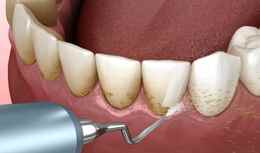
Teeth cleaning is really two distinct steps combined into one appointment. Scaling removes plaque and tartar, the hardened deposits that build up on your teeth and below the gumline, using either a manual hand instrument or an ultrasonic scaler that uses vibration to break tartar loose. Polishing follows scaling, smoothing the tooth surface with a gritty paste applied through a small rotating rubber cup, which makes it harder for new plaque to stick and often leaves teeth looking noticeably brighter simply from removing surface staining. Many clinics, including Elephant Dental Kiambu, also apply a fluoride treatment afterward, which helps strengthen enamel and reduce cavity risk going forward.
What Actually Happens During a Cleaning Appointment
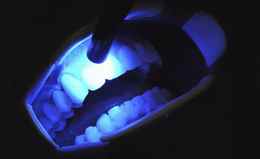
Knowing what to expect eases a lot of the hesitation people feel about booking. The appointment starts with a quick visual exam, checking for visible issues before cleaning begins. Scaling comes next, and if an ultrasonic scaler is used, you will hear a high-pitched buzzing sound, this is simply the vibration breaking up tartar, not a sign of anything going wrong, and headphones are a reasonable request if the sound bothers you.
Once scaling is done, your teeth may feel slightly rough, which polishing then smooths over. Many clinics also include a dedicated professional flossing step after polishing, reaching between teeth more thoroughly than most people manage at home and clearing away any leftover polishing paste. A fluoride treatment typically finishes the appointment. A first cleaning, or one after a long gap, generally takes 45 to 60 minutes, while a routine six-month cleaning is usually quicker, often 20 to 30 minutes.
Does Teeth Cleaning Hurt
For most people with reasonably healthy gums, cleaning causes mild discomfort at most, commonly described as a one or two out of ten, not real pain. If your gums are inflamed or you have some gum disease present, sensitivity can be more noticeable, sometimes a three to six out of ten without any numbing, though this is easily brought down with a topical numbing gel if you ask for one. Sensitivity to hot or cold for a day or two afterward is common and temporary, simply your teeth adjusting to being tartar-free again rather than a sign of damage. Our full guide on whether teeth cleaning hurts covers this in more detail.
Does Cleaning Damage or Weaken Your Enamel
This is a common myth worth clearing up directly. Properly performed professional cleaning does not damage or weaken enamel. The sensation of teeth feeling “thinner” or different after a cleaning comes from tartar being removed, tartar that had built up over months or years and made your teeth feel artificially thick, not from your actual enamel being worn away. Enamel is not harmed by scaling instruments used correctly by a trained professional. This temporary sensitivity, noticing your real teeth again without the tartar layer, typically settles within a day or two.
Standard Cleaning vs Deep Cleaning
Not every cleaning is the same procedure, and this matters for both cost and what your gums actually need. Standard cleaning, scaling and polishing above and slightly below the gumline, suits most people with generally healthy gums attending regular checkups. Deep cleaning, also called scaling and root planing, goes further below the gumline to treat early to moderate gum disease, smoothing tooth roots to help gums reattach and heal.
Deep cleaning is priced separately and higher than standard cleaning, reflecting the additional time and the different clinical purpose. If your dentist recommends deep cleaning rather than a standard clean, that is a diagnosis based on your gum health, not an upsell, and addressing it matters for preventing further gum and bone loss. Our full deep cleaning vs standard cleaning comparison breaks this down further.
How Often You Actually Need a Cleaning
Most dentists, and the American Dental Association, recommend a professional cleaning roughly every six months for people with generally healthy gums. Some people need more frequent visits, if you wear braces, smoke, or have any existing gum disease, since all three increase how quickly plaque and tartar build up. This is not a one-size-fits-all schedule, and your dentist can give you a more specific recommendation based on how quickly tartar tends to build up on your particular teeth. Our full guide to how often you need teeth cleaning covers this by situation.
Understanding teeth cleaning price in Kenya only matters if you actually follow through on the routine, since a fair price on a cleaning you keep postponing helps no one.
What Skipping Cleanings Actually Costs You Later
This is worth understanding in real terms, not just as a vague warning. A small cavity caught early is often a straightforward, relatively affordable filling. The same decay left untreated for months can progress to needing a root canal, and often a crown afterward to protect the treated tooth, a meaningfully larger total cost than the filling would have been, and a longer, more involved treatment process. Regular cleaning is also when a dentist catches small issues early, cavities, early gum disease, before they become symptomatic, which is a genuine practical reason cleaning matters beyond just looking and feeling clean.
The benefit also reaches beyond your mouth. According to Cleveland Clinic, regular dental cleanings are associated with a lower risk of cavities and gum disease, reduced bad breath, and, notably, a reduced risk of broader health issues including heart disease, stroke, and dementia, likely connected to how oral bacteria and inflammation interact with the rest of the body. This does not mean a missed cleaning causes these conditions directly, but it is a genuine reason cleaning is worth treating as routine preventive healthcare, not a cosmetic extra.
Does Insurance Cover Teeth Cleaning in Kenya
Coverage varies by provider and plan, so checking your specific policy matters more than assuming either way. Health insurance in Kenya, when it includes a dental benefit, more commonly covers treatments that restore function, cleaning, fillings, extractions, root canals, rather than purely cosmetic treatments like whitening or veneers.
The Social Health Authority (SHA), which replaced NHIF in October 2024, does not currently guarantee dental cover for the general public, though a separate SHA Comprehensive Cover for civil servants does include dental benefits. Whether teeth cleaning specifically is covered under any scheme should be confirmed directly with your provider. If you are paying out of pocket, ask your clinic whether they can provide an itemised receipt in a format your insurer accepts, which sometimes allows partial reimbursement even without direct billing.
What Your Toothbrush Actually Misses
It is worth understanding why professional cleaning matters even for someone who brushes and flosses diligently every day. Daily brushing removes soft plaque from the surfaces you can easily reach, but plaque begins forming again within just a few hours of brushing, and it hardens into tartar within a couple of days if not removed.
Once tartar forms, it bonds firmly to the tooth surface, particularly below the gumline and between teeth, in ways a toothbrush and floss genuinely cannot remove regardless of how thoroughly you clean. This is not a failure of your home routine, it is simply a limitation of what a toothbrush is designed to do, which is exactly the gap professional cleaning tools are built to close.
Preparing for Your First Cleaning Appointment
If it has been a long time since your last cleaning, or this is your first ever professional cleaning, a small amount of preparation helps. Brushing and flossing normally beforehand is fine and recommended, it does not make the appointment unnecessary, it simply means less surface debris for your dentist to clear before the real work of scaling begins.
If you know you have sensitive teeth or gums, mentioning this at the start of the appointment lets your dentist adjust their approach or offer a topical numbing gel proactively rather than reactively. And if it has genuinely been years since your last cleaning, expect a longer appointment than a routine six-month visit, simply because there is more tartar buildup to address.
Signs Your Gums Might Need More Than a Standard Cleaning
A few signs are worth mentioning to your dentist before your appointment, since they can indicate a standard cleaning may not be enough. Gums that bleed regularly when you brush or floss, not just occasionally. Gums that look consistently red or swollen rather than a healthy pink. Persistent bad breath that does not resolve with normal brushing. Any looseness in a tooth that was not there before. None of these automatically mean you need deep cleaning, but they are worth raising directly so your dentist can assess whether standard cleaning is sufficient or something more is needed.
Maintaining Results Between Cleanings
The brightness and smoothness you notice right after a cleaning does not last indefinitely without some effort on your part, though good daily habits extend it considerably. Brushing twice daily with fluoride toothpaste, flossing at least once a day, particularly between teeth where a brush cannot reach, and limiting how often sugary or starchy foods sit on your teeth between meals all slow how quickly new plaque and tartar rebuild. None of this replaces the need for a professional cleaning every six months, since even excellent home care cannot remove tartar once it has hardened, but it does mean your results last longer and your next appointment involves less buildup to address.
What to Eat After Teeth Cleaning
Unlike a filling or extraction, teeth cleaning does not require you to wait before eating in most cases, since no anaesthesia is involved for a standard cleaning. That said, if your gums are a little sensitive right after your appointment, sticking to lukewarm rather than very hot or very cold foods for the rest of the day is a reasonable precaution. How long you should wait genuinely depends on which type of fluoride was used.
A foam or gel fluoride applied in a mouthpiece is typically left on for about a minute and some clinics recommend waiting thirty minutes afterward before eating. A fluoride varnish, painted directly onto the teeth with a small brush, hardens on contact with saliva, so you can usually eat and drink again almost immediately. Your dentist will tell you which was used and what to do afterward.
Disadvantages of Teeth Cleaning
Honestly, there are very few genuine downsides to professional teeth cleaning, and none of them outweigh the benefit for most patients. Temporary sensitivity to hot or cold for a day or two afterward is the most common, settling on its own as your teeth adjust to being tartar-free. Mild gum tenderness is possible, particularly if there was significant buildup to remove. Cleaning also will not fix problems it is not designed for, cavities, chips, or misalignment need their own separate treatment, so it is worth not expecting a cleaning alone to solve every concern about your smile. None of these are reasons to avoid a cleaning, they are simply honest, minor trade-offs against a well established preventive benefit.
Teeth Cleaning Before and After
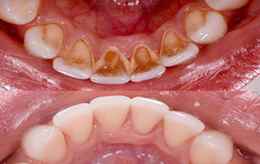
The most noticeable before and after difference from a cleaning is the removal of visible tartar and surface staining, teeth often look visibly brighter immediately afterward simply from removing buildup that had accumulated since your last visit. This is a different effect from whitening, which changes your natural tooth colour rather than removing what sits on the surface, though some patients are pleasantly surprised by how much brighter a cleaning alone makes their teeth look. Gums also often look healthier immediately after a cleaning, less puffy and a more even pink, once irritating tartar along the gumline has been removed.
What the Price at Elephant Dental Kiambu Includes
The KSh 3,500 price covers plaque and tartar removal through scaling, polishing to smooth the tooth surface, and a fluoride treatment to help strengthen enamel afterward. It is confirmed before treatment, and if your dentist identifies signs of gum disease during the exam that would benefit from deep cleaning instead of standard cleaning, that is explained and priced separately, rather than performed without your knowledge.
The Bottom Line on Teeth Cleaning Price in Kenya
A cleaning priced anywhere in the KSh 3,000 to KSh 5,000 bracket is neither suspiciously cheap nor unnecessarily expensive, it reflects what most reputable private clinics genuinely charge for standard scaling and polishing. What matters more than shaving a few hundred shillings off the price is whether the clinic actually checks your gum health honestly, tells you plainly if you need deep cleaning instead of standard cleaning, and gives you a comfortable appointment rather than rushing through it.
Why Patients Choose Elephant Dental Kiambu for Teeth Cleaning
Elephant Dental Kiambu is a KMPDC-registered dental practice on Biashara Street, with patients consistently mentioning unhurried explanations and visible sterilisation between patients. Every cleaning appointment includes a check for early signs of decay or gum disease, not just the cleaning itself, working within the wider Elephant Dental network. Every step is explained clearly before it happens, including whether standard cleaning or deep cleaning is the right fit for your gums.
The clinic is open seven days a week, 8am to 5pm, including Sundays, at Kikinga House on Biashara Street, a short walk from Kiambu Town Main Stage.
Whichever clinic you choose, getting a clear teeth cleaning price in Kenya upfront, in writing, before the appointment starts is a reasonable, simple request.
How Much Is Teeth Cleaning in Kenya?
The short answer is that it depends on who is doing it and what they actually do. Asking how much is teeth cleaning in Kenya will get you figures from a few hundred shillings at the cheapest end up to about KSh 10,000 at the most expensive, and those two appointments are not the same appointment. At our Kiambu clinic a cleaning starts from KSh 3,500, which covers the examination, the scaling and polishing itself, and advice specific to what we find.
What makes the teeth cleaning cost in Kenya vary so widely is time and equipment. A rushed polish with a rotating brush takes a few minutes and feels pleasant, but it does not remove hardened tartar from below the gum line. Proper scaling and polishing takes longer, needs an ultrasonic scaler, and is done by someone trained to recognise early gum disease while they work. A very low teeth cleaning price in Kenya usually means the first thing rather than the second.
Scaling and Polishing: What You Are Actually Paying For
Scaling is the part that does the work. Hardened deposits of tartar build up where a toothbrush cannot reach, particularly behind the lower front teeth and around the back molars, and once hardened they cannot be brushed away. An ultrasonic scaler breaks them loose with high-frequency vibration and water. This is the step that protects the gums, and it is the step most often skipped at the cheap end of the market.
Polishing comes afterwards and does something different: it smooths the tooth surface so that new plaque has less to cling to, and it lifts surface staining from tea, coffee and smoking. Polishing on its own, without scaling first, is cosmetic. Scaling and polishing together is what professional teeth cleaning actually means.
A complete teeth cleaning price in Kenya should therefore include four things: an examination before anyone touches your teeth, scaling above and below the gum line, polishing afterwards, and a clear statement of anything that needs following up. If a quote does not say which of these are included, that is the question to ask before you book.
Dental Cleaning Price in Kenya Against What It Prevents
The dental cleaning price in Kenya is small next to what untreated gum disease costs to manage later. Tartar left in place inflames the gum, the gum pulls away from the tooth, and the pocket that forms traps more deposit. At that stage treatment moves from a routine cleaning to deep cleaning across multiple visits, and in advanced cases to treating teeth that have loosened. Every one of those is dearer than the appointment that would have prevented it.
If you are looking for teeth cleaning in Kiambu specifically, we are opposite Kiambu Level 5 Hospital and open every day, and a first visit is mostly about finding out where your gums actually stand. You will be told what we see and what it would cost before anything is done. Most people who book teeth cleaning in Kiambu with us have not had a cleaning in several years, and that is a normal place to start from rather than something to apologise for.
How much is teeth cleaning in Kenya at a private clinic?
Private clinics generally sit between KSh 2,000 and KSh 10,000. Ours starts from KSh 3,500. When comparing, check whether the teeth cleaning price in Kenya you are quoted covers both arches, since some clinics quote per arch.
Is scaling and polishing the same as teeth cleaning?
Yes, scaling and polishing is the clinical name for what most people call a cleaning. If a clinic offers only polishing, you are getting part of the procedure rather than all of it.
Does the teeth cleaning cost in Kenya cover both upper and lower teeth?
At our clinic, yes. Elsewhere it is worth confirming, because a figure that looks low sometimes turns out to be for one arch only. Professional teeth cleaning normally means the whole mouth in one appointment.
Frequently Asked Questions About Teeth Cleaning Price in Kenya
How much does teeth cleaning cost in Kenya? Teeth cleaning price in Kenya typically ranges from KSh 500 at budget facilities to KSh 10,000 at premium clinics, with most private clinics charging KSh 3,000 to KSh 5,000. At Elephant Dental Kiambu, cleaning starts from KSh 3,500, with your own price confirmed at a consultation.
Does teeth cleaning hurt? For most people with healthy gums, cleaning causes only mild discomfort. If gums are inflamed, it can feel more noticeable, though a topical numbing gel can be used to make this more comfortable.
How often should I get my teeth professionally cleaned? Most dentists recommend cleaning every six months for people with healthy gums, though smokers, braces wearers, and anyone with existing gum disease may need more frequent visits.
Does professional cleaning damage tooth enamel? No. This is a common myth. Properly performed cleaning does not weaken or damage enamel, though teeth can feel more sensitive for a day or two afterward as tartar buildup is removed.
What is the difference between standard cleaning and deep cleaning? Standard cleaning addresses plaque and tartar above and slightly below the gumline for generally healthy gums. Deep cleaning goes further below the gumline to treat early to moderate gum disease, and is priced separately.
Can I eat right after teeth cleaning? Yes, in most cases, since no anaesthesia is used for a standard cleaning. If a fluoride treatment was applied, some clinics recommend waiting about thirty minutes to let it work.
What are the disadvantages of teeth cleaning? Very few. Temporary sensitivity for a day or two is the most common, and cleaning does not fix separate issues like cavities or misalignment, which need their own treatment.
How much does it cost to remove black tartar from teeth? Black tartar, hardened plaque that has darkened over time, is removed through standard scaling, the same process used for lighter tartar. It falls within the normal KSh 3,000 to KSh 5,000 range at most private clinics, though heavy buildup can mean a longer appointment.
Can teeth cleaning whiten teeth? Cleaning removes surface staining and tartar, which often makes teeth look noticeably brighter, but it does not change your natural tooth colour the way whitening does. If your teeth still look dull after a cleaning, whitening is the treatment that addresses that.
Can teeth cleaning fix bad breath? Often, yes, when the bad breath is caused by plaque and tartar buildup or early gum disease. Cleaning removes the bacteria responsible for much of that odour. Persistent bad breath despite regular cleaning is worth mentioning to your dentist, since it can have other causes.
Comparing teeth cleaning price in Kenya across a few clinics is worth doing, provided each quote is confirmed after a real exam rather than guessed over the phone.
How to Choose Between Clinic Types
If budget is your main constraint, a government or mission facility offering cleaning at KSh 500 to KSh 1,500 is a legitimate option, particularly for a straightforward, routine cleaning with no complications, though longer wait times are the honest trade-off. If you want a shorter wait and a private setting without paying premium Nairobi rates, a mid-range private clinic charging KSh 3,000 to KSh 5,000 covers the same core procedure most people need. Premium pricing above that generally reflects higher overhead in expensive commercial locations rather than a fundamentally different cleaning procedure, worth knowing if location convenience is not a priority for you.
Book Your Teeth Cleaning in Kiambu
You do not need to already know whether you need standard or deep cleaning. Message Elephant Dental Kiambu on WhatsApp and describe your situation, and the team will give you an honest first read, with no obligation to book anything further. If it makes sense to move forward, the next step is booking your cleaning directly, with the price confirmed before treatment begins. You can also call 0143 178126 directly, or use the booking calendar on the clinic’s contact and directions page.
Looking to book rather than compare? Our teeth cleaning in Kiambu page covers what the treatment involves, what it includes and how to book a consultation.
What the evidence says about cleaning intervals
The six month rule is convention more than settled science. A Cochrane review found insufficient evidence to support or refute a fixed six monthly interval, and a later trial found no added benefit from scheduling cleanings at six or twelve months unless there was a reason to. That is not a case for skipping cleanings. It is the case for setting your interval around your own gums rather than a date on a calendar, and for not paying for visits you do not need.
Book Teeth Cleaning on WhatsAppComparing dental treatment costs? See our related guide to the braces price in Kenya for what orthodontic treatment costs and what is included.
Teeth Cleaning Price by Area
Teeth cleaning starts from KSh 3,500 whichever area you travel from, since the price is not distance based. Your own figure is confirmed at a consultation. These area guides cover the route and realistic travel time:
8 Responses