
A root canal usually takes between sixty and ninety minutes. A front tooth with a single canal is often finished in forty five to sixty minutes, a premolar takes around sixty to seventy five, and a molar with three or four canals runs to ninety minutes or beyond. Most cases are now completed in one appointment. Two visits are used when the tooth is badly infected, when the anatomy turns out to be more complicated than the x-ray suggested, or when a previous root canal is being redone.
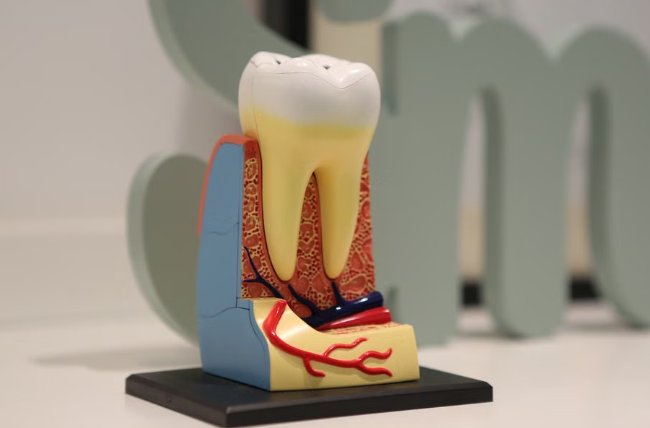
That is the short answer. The longer one is worth reading if you are trying to decide how much of your day to set aside, because the appointment itself is only part of the total, and the crown that follows it is what stretches the timeline from ninety minutes into two or three weeks.
How Long Does a Root Canal Take on Each Type of Tooth?
The single biggest factor is how many canals the tooth has. Each canal has to be found, cleaned along its full length, shaped and then sealed, and every extra canal adds time. Tooth position tells you roughly what to expect.
| Tooth | Canals | Typical appointment |
|---|---|---|
| Incisors and canines (front teeth) | 1 | 45 to 60 minutes |
| Premolars | 1 to 2 | 60 to 75 minutes |
| Molars | 3 to 4 | 90 minutes or more |
| Retreatment of any tooth | Varies | Add 30 to 60 minutes |
Upper molars are the ones most likely to run long. They frequently have a fourth canal that is narrow, hidden and easy to miss, and finding it properly is the difference between a tooth that lasts twenty years and one that flares up in eighteen months. Time spent hunting for it is time well spent.
Why Some Root Canals Take Two Visits and Others Take One
Single visit treatment is now the norm for straightforward cases. Rotary instruments and electronic apex locators, which measure the exact length of the canal rather than relying on x-ray estimation alone, made it realistic to clean, shape and fill a tooth in one sitting.
A second visit gets used when there is a reason to pause. The most common is a tooth with an active abscess, where the canal is dressed with an antibacterial medication and sealed temporarily so the infection can settle before the permanent filling goes in. Complicated anatomy is another: if the canals are unusually curved or partly calcified, working carefully across two shorter appointments is safer than pushing through one very long one. Retreatment of a failed root canal is almost always split, because the old filling material has to come out before any new cleaning can begin.
Where two visits are used, they are typically seven to fourteen days apart, and the second is usually the shorter of the two.
What Happens During Those Ninety Minutes
Knowing where the time goes makes the appointment feel considerably shorter, because you can follow what stage you are at instead of lying there wondering.
- Anaesthetic, 5 to 10 minutes. Numbing the tooth and waiting for it to take full effect. A tooth that is already inflamed sometimes needs a second dose, which adds a few minutes.
- Isolating the tooth, 5 minutes. A rubber dam is clamped around the tooth to keep saliva out of the canal. Skipping this is a shortcut that costs the tooth later.
- Access, 10 to 15 minutes. Drilling a small opening through the crown of the tooth to reach the pulp chamber.
- Finding and measuring the canals, 10 to 20 minutes. Each canal is located and its working length measured to the tip of the root. This is the stage that varies most between an easy case and a difficult one.
- Cleaning and shaping, 20 to 40 minutes. The infected tissue is removed and the canal is irrigated and shaped so it can be sealed. On a molar this is most of the appointment.
- Filling and sealing, 10 to 15 minutes. The canals are filled, usually with gutta percha, and sealed.
- Temporary restoration, 5 to 10 minutes. A temporary filling closes the access hole until the permanent restoration is fitted.
What Makes a Root Canal Take Longer Than Expected
- An extra canal. Anatomy varies between people, and a tooth can have more canals than the textbook count.
- Curved roots. Sharply curved canals have to be negotiated slowly to avoid damaging the root.
- Calcification. Canals narrow with age and after long standing inflammation, and a partly closed canal takes patience to open.
- Active infection. Heavy infection means more irrigation, and sometimes a medicated dressing and a second visit.
- Retreatment. Removing an existing root filling before starting again adds thirty to sixty minutes.
- A tooth that will not go numb. Severely inflamed pulp resists local anaesthetic, so additional techniques are needed before work can start.
- Limited opening or a strong gag reflex. Access to back teeth is harder, and the appointment is paced accordingly.
None of these mean the treatment is going badly. An appointment that runs over is usually a sign that the tooth is being treated thoroughly rather than quickly.
How Long From Start to Finish, Including the Crown?
This is where the honest answer stops being ninety minutes. A back tooth that has had a root canal is more brittle than it was and needs a crown to stop it splitting, and that is a separate appointment on a separate day.
| Stage | When |
|---|---|
| Root canal appointment | Day 1, 45 to 90 minutes |
| Second visit, if needed | 7 to 14 days later, 45 to 60 minutes |
| Crown preparation and impression | Usually within 2 to 3 weeks |
| Permanent crown fitted | 1 to 2 weeks after the impression |
Two to four weeks from the first appointment to the finished tooth is realistic for most people. The gap matters less than the fact that it happens. A treated tooth left under a temporary filling for months is the most common reason a successful root canal fails later, which we cover in our guide to how long a root canal lasts.
How Long Will You Be Numb Afterwards?
Two to four hours for most people, occasionally longer for lower back teeth where the anaesthetic affects a larger nerve. Avoid eating until sensation has fully returned, because a numb cheek or tongue is very easy to bite without noticing. Warm drinks are worth delaying for the same reason.
Most people go back to work the same day. The procedure is tiring rather than incapacitating, and the majority of patients describe it as a long dental appointment rather than a painful one, which our guide on whether a root canal hurts goes into properly.
How Long Does the Soreness Last?
Expect tenderness when biting on the tooth for two to three days, easing over roughly a week. It comes from the ligament around the root being inflamed by the work, not from the inside of the tooth, which no longer has a nerve. Over the counter pain relief is normally enough.
Pain that is getting worse after day three, facial swelling, or a temperature are different, and are reasons to call the clinic rather than wait. Our root canal aftercare guide sets out what is normal day by day.
How Long Does a Root Canal Take Compared With an Extraction?
A straightforward extraction takes twenty to forty minutes. A root canal takes sixty to ninety. That difference, plus the crown appointments afterwards, is the honest time cost of keeping the tooth rather than losing it.
It is worth weighing against what the extraction sets in motion. The neighbouring teeth drift toward the gap, the opposing tooth drops into it, and the bone that held the root starts to resorb because nothing is loading it any more. Replacing the tooth later with an implant costs several times the root canal and crown, and takes months rather than weeks. Ninety minutes now buys a lot of avoided appointments later, which is the calculation our comparison of root canal versus extraction works through in full.
Does a Specialist Do It Faster?
Sometimes, on the hard cases. An endodontist does nothing but root canals and works under a microscope, which makes finding a hidden fourth canal or negotiating a calcified one considerably quicker than it would otherwise be. On a genuinely complex molar or a retreatment, that experience shows up in the clock.
On a straightforward front tooth or premolar, there is little difference, and in Kenya most root canals are carried out by general dentists as a matter of course. What matters more than the title is whether the practitioner uses a rubber dam and an apex locator, and whether they are willing to book the time the tooth needs rather than squeeze it into a thirty minute slot. A root canal rushed to fit a schedule is the one most likely to need doing again.
Why the Appointment Is Worth Booking Sooner
Waiting rarely makes the appointment shorter. An inflamed nerve left for another two months tends to become an infected one, and infection is what turns a ninety minute single visit into two visits with a medicated dressing in between. It is also harder to get properly numb once a tooth is acutely infected, which adds time at the start of the appointment and discomfort for the patient.
If you already know which tooth it is, and it has been aching at night or throbbing when you lie down, the shortest version of this procedure is the one you book this week. Our guide to the signs you need a root canal covers what to look for if you are not certain yet.
Root Canal Treatment at Elephant Dental Kiambu
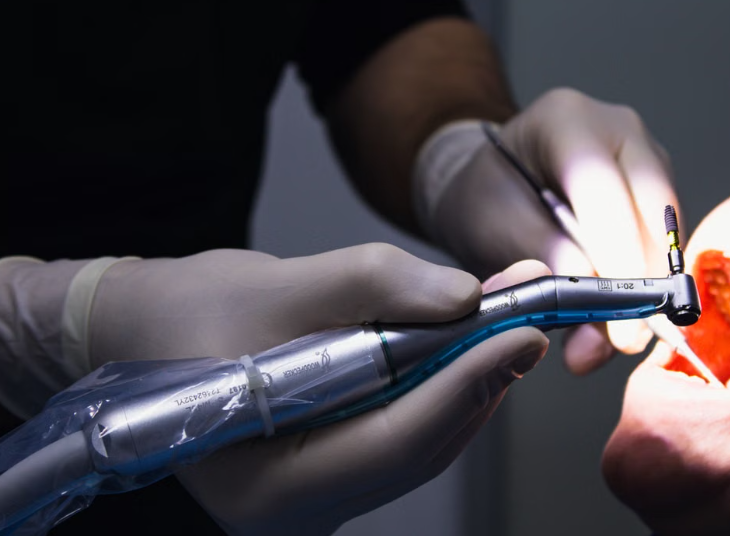
We are on Biashara Street in Kiambu town and open seven days a week, eight in the morning until five in the evening, including Sundays. If a tooth is keeping you awake, that matters more than most things about a clinic.
We book root canal appointments with the time the tooth actually needs rather than a standard slot, so a molar is not rushed to fit a schedule. Costs are set out in our guide to root canal cost in Kenya, and an exact figure comes after we have seen the x-ray, because the number of canals is the thing that decides it.
To book, WhatsApp or call 0143 178126. If you are in pain today, say so when you message and we will find you a slot today. READ ALSO>>>
Frequently Asked Questions
How long does a root canal take on a molar?
Ninety minutes or more, because molars have three or four canals and each one has to be found, cleaned, shaped and sealed. Upper molars often have a fourth canal that takes time to locate.
Can a root canal be done in one visit?
Yes, and most now are. Two visits are used where there is active infection needing a medicated dressing, unusually complex anatomy, or a previous root canal being redone.
How long does a root canal take from start to finish?
Two to four weeks in most cases, counting the crown. The root canal itself is one appointment of forty five to ninety minutes; the crown is prepared and fitted over the following weeks.
Is a longer appointment a bad sign?
No. It usually means an extra canal was found, a canal was curved or calcified, or the infection needed more irrigation. Time spent cleaning properly is what makes the tooth last.
Can I go back to work afterwards?
Most people do. You will be numb for two to four hours and the tooth will be tender to bite on for a couple of days, but nothing about the procedure requires time off.
2 Responses