Professional vs at-home whitening comes down to concentration and control. Professional in-clinic gels run roughly 25 to 40 percent hydrogen peroxide and can lighten teeth by up to eight shades in a single visit. At-home kits, even dentist-supervised ones, use much weaker concentrations, typically 3 to 20 percent, and need consistent use over one to three weeks to achieve a more modest three to six shade change.
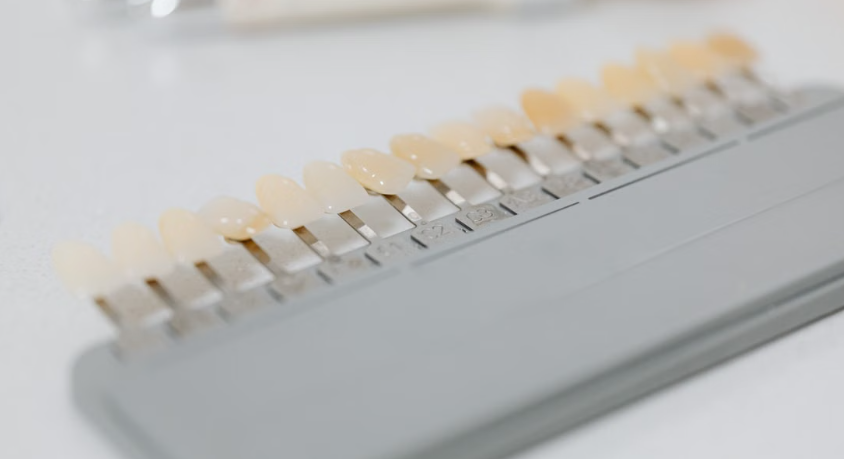
If you are trying to decide between booking an in-clinic session or picking up a kit, this guide compares them honestly on strength, speed, cost, and safety, so you choose based on what actually matters for your situation rather than whichever option you happened to see advertised first.
Three Questions to Ask Before Choosing Either Option
Before comparing products or prices, three questions narrow the decision fast. How quickly do you need results, are you preparing for a specific event with a fixed date, or is a gradual change over a few weeks perfectly fine. How much of the process do you want a professional actively managing, versus being comfortable following instructions on your own at home. And has a dentist actually confirmed whitening is safe and appropriate for your teeth, since this matters regardless of which method you eventually choose.
Professional vs At-Home Whitening: Quick Comparison Table
| Factor | Professional in-clinic | At-home kits |
|---|---|---|
| Peroxide concentration | Roughly 25 to 40 percent | Roughly 3 to 20 percent |
| Typical shade change | Up to 8 shades | 3 to 6 shades |
| Time to see results | About an hour, same visit | 1 to 3 weeks of daily use |
| Supervision | Direct, throughout the appointment | Self-managed, with dentist instructions if supervised |
| Results duration | Often 1 to 2 years | Often a few months to a year |
| Cost at Elephant Dental Kiambu | KSh 2,000 per tooth | Ask for a quote |
| Best suited for | Fast results, deeper staining, an upcoming event | Gradual change, smaller budget, no fixed deadline |
Why Professional Whitening Works Faster
The core reason professional whitening delivers faster, more dramatic results comes down to concentration. In-clinic bleaching gels use a significantly higher percentage of peroxide than anything legally available over the counter, which is exactly why they need direct professional supervision, a stronger agent applied without proper protection can irritate gums and soft tissue. Your gums are shielded with a protective barrier before the gel is applied, and the treatment is monitored throughout, allowing your dentist to manage sensitivity in real time rather than you discovering discomfort alone at home partway through a session.
Why At-Home Kits Take Longer
At-home kits, whether over the counter strips or dentist-dispensed trays, use lower concentrations specifically because they are designed for unsupervised or lightly supervised use over an extended period. This is a deliberate safety trade-off, not a shortcut manufacturers took. Lower concentration means less risk if usage instructions are not followed perfectly, but it also means the whitening effect builds gradually rather than dramatically, which is why most at-home systems recommend one to three weeks of consistent daily use rather than a single session.
Dentist-Supervised Take-Home Trays: The Middle Option
Between a full in-clinic session and an over the counter kit sits a third option worth knowing about: custom trays fitted by your dentist, filled with a professional-strength gel and worn at home according to your dentist’s specific instructions. These offer a stronger concentration than anything sold over the counter, combined with a precise custom fit that a generic one-size-fits-all tray cannot match, reducing the gel leakage onto gums that causes irritation with poorly fitting store-bought trays. Results still take longer than an in-clinic session, but are generally more effective and more even than fully over the counter products.
Cost Comparison: Is Professional Whitening Worth the Higher Price
Professional whitening costs more upfront, that part is straightforward. What is worth weighing is value over time, not just the initial number. Professional results generally last longer, often one to two years compared to a few months for many at-home products, which means fewer repeat purchases or repeat sessions to maintain the same brightness. If you factor in buying multiple rounds of at-home strips or gel refills over a year to maintain a similar result, the total cost gap between the two options often narrows more than the upfront prices alone suggest.
Safety: What the Evidence Actually Shows
According to the American Dental Association, professional whitening performed by a dentist is generally safe when protocols are followed correctly, and the higher concentrations used are specifically why professional oversight matters. Unsupervised or excessive use of at-home products, particularly ignoring recommended usage times or frequency, is where most whitening-related problems actually originate, not from the concentration difference itself. Both options are reasonably safe when used as intended, the real safety gap opens up when at-home products are used incorrectly or more frequently than recommended, without any professional check on whether that is appropriate for your specific teeth.
Sensitivity: Which Option Causes More Discomfort
Sensitivity can occur with either method, since it relates to how the peroxide interacts with your enamel and dentin, not simply which environment the treatment happens in. Professional whitening carries a higher immediate sensitivity risk during the session itself due to the stronger concentration, but this is actively managed in real time by your dentist. At-home kits can cause a milder, more gradual sensitivity that builds with repeated daily use, which is sometimes harder to catch early without a professional checking in on your progress. Neither option is definitively gentler, the difference is really about whether someone is actively monitoring and adjusting as you go.
When At-Home Whitening Is the Better Choice
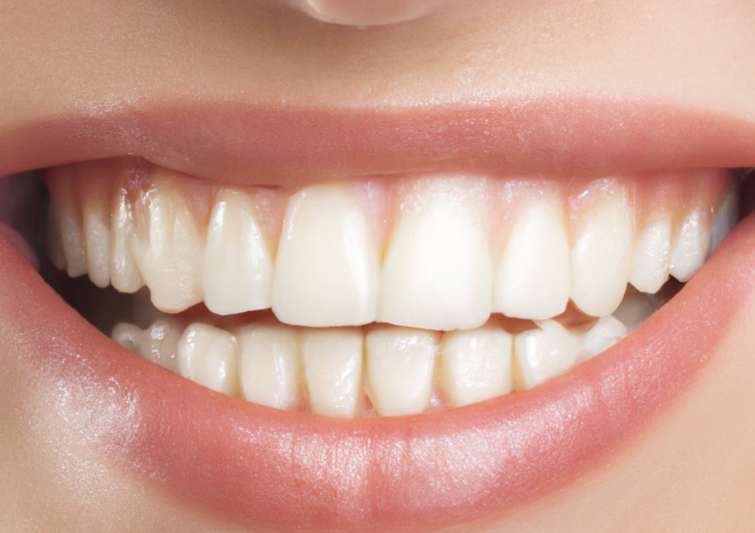
At-home whitening genuinely suits certain situations better than an in-clinic session. If your budget is limited and a slower timeline is not a problem, at-home options deliver real results at a lower cost. If you have no upcoming event creating time pressure, the gradual pace of at-home whitening is simply not a downside. And for maintaining results after an initial professional treatment, a lighter at-home touch-up product is often exactly the right tool, rather than repeating a full in-clinic session more often than necessary.
When Professional Whitening Is the Better Choice
Professional whitening is the stronger choice when you need results quickly, preparing for a wedding, an interview, or any event with a fixed date that does not allow for a two to three week gradual process. It is also the safer route for anyone with more significant staining or discoloration, since at-home products may simply lack the strength to make a meaningful difference on deeper staining, leading to disappointment and wasted money on a product that was never going to be strong enough for the job. And for anyone with any sensitivity concerns or existing dental work, professional supervision means problems get caught and managed immediately rather than discovered alone at home.
What About Whitening Toothpaste and Charcoal Products
It is worth being clear that whitening toothpaste and charcoal-based products sit in a different category entirely from both professional and at-home peroxide-based whitening. These generally work through mild abrasive action to remove surface staining rather than through any bleaching effect, and according to the American Dental Association, there is currently insufficient evidence that charcoal-based products provide a measurable whitening benefit with adequate safety. If your goal is an actual shade change rather than removing surface staining, these products are not a genuine substitute for either professional or at-home peroxide-based whitening. If your concern is a specific chip, gap, or single dark tooth rather than overall shade, neither whitening option is the right fix, our teeth whitening vs teeth masking comparison explains why.
Can You Combine Both Approaches
Yes, and this is actually a common and sensible approach. Many patients start with a professional in-clinic session for a fast, dramatic initial result, then use a lighter at-home product periodically afterward to maintain that brightness between full sessions. This combines the speed and strength of professional treatment with the lower ongoing cost of at-home maintenance, rather than needing a full professional session every time results start to fade.
What Actually Happens in an At-Home Whitening Kit
Most over the counter kits use one of three formats. Whitening strips, thin flexible strips coated with peroxide gel, pressed directly onto your teeth for a set time each day. Whitening trays, either generic one-size or dentist-custom-fitted, filled with gel and worn for a period ranging from thirty minutes to overnight depending on the product. Whitening pens, which let you paint gel directly onto individual teeth, best suited for small touch-ups rather than a full treatment. Each format trades convenience for a slower, more gradual result compared to a professional session.
What Actually Happens During a Professional Session
A professional appointment starts with an exam to confirm whitening suits your teeth, followed by protecting your gums and soft tissue with a barrier, since the stronger gel used professionally needs to stay on enamel only. The whitening gel is then applied and left to work, sometimes reapplied once or twice within the same appointment for a stronger effect, occasionally combined with a light or laser to help activate the gel more effectively, though the American Dental Association has noted that light activation systems have not been shown to add meaningful benefit beyond the gel itself. Most sessions take around an hour from start to finish.
If you are comparing the various at home teeth whitening kits available in Kenya, the honest advice is to look past marketing claims and check three things: the actual peroxide concentration listed on the packaging, whether the tray or strip is a generic fit or something closer to custom, and whether the brand has any dental professional backing rather than only social media reviews. A higher price does not automatically mean a better kit, but a kit that will not disclose its active ingredient concentration is worth being cautious about.
Cost is rarely the only factor worth weighing in professional vs at-home whitening, fit and supervision matter just as much.
Do Generic Trays Work as Well as Custom Ones
Not usually. Generic, one-size-fits-all trays sold over the counter do not seal against your gums the way a custom tray does, which means gel can leak onto soft tissue and cause irritation, and coverage across your teeth tends to be uneven, leading to patchy results where some teeth whiten more than others. A custom tray, whether made by your dentist or through a take-home kit fitted specifically to your mouth, holds gel evenly against your teeth and away from your gums, which is a meaningful practical advantage even before considering the difference in gel strength.
Getting a straight answer on professional vs at-home whitening before you spend anything saves both money and disappointment later.
How to Avoid Wasting Money on the Wrong Option

A few honest tips help avoid a disappointing outcome regardless of which option you choose. Do not expect an over the counter kit to match the dramatic result of a professional session, since the concentration difference makes that physically unlikely, not just a matter of using the product longer. Do not assume a higher price always means a better result, since some at-home kits are marked up without meaningfully different formulas from cheaper alternatives. And always confirm with a dentist that whitening is actually appropriate for your teeth before spending money on either option, since neither professional nor at-home whitening will work well on discoloration caused by something other than surface or enamel staining.
Sensitivity is often the deciding factor in professional vs at-home whitening for patients who have struggled with it before.
Professional and At-Home Whitening for Sensitive Teeth
Patients with naturally sensitive teeth are not automatically excluded from either option, but the approach usually needs adjusting. A dentist can recommend a lower concentration gel, shorter application times, or a desensitising treatment before and after whitening to make the process more comfortable. At-home products marketed specifically for sensitive teeth exist too, generally using milder formulas, though they typically produce a more modest result in exchange for that reduced sensitivity risk. If sensitivity is a significant concern, professional guidance genuinely matters more here than with most other whitening decisions, since an unsupervised at-home approach offers no way to adjust mid-treatment if discomfort develops.
The Bottom Line on Professional vs At-Home Whitening
The professional vs at-home whitening choice really comes down to speed, supervision, and how stained your teeth are to begin with.
Neither option is universally correct, the right choice depends on your timeline, budget, and how significant your staining actually is. Professional whitening wins on speed, strength, and supervised safety. At-home whitening wins on cost and convenience for someone without a fixed deadline. Many patients get the best of both by starting professionally and maintaining the result at home, rather than treating this as an either-or decision.
How to Remove Yellow Stains From Teeth Naturally at Home
Plenty of people search for how to remove yellow stains from teeth naturally, so here is an honest answer. The genuinely useful natural steps are simple: brush twice a day for two minutes, cut back on the tea, coffee, and soda that stain teeth, rinse with water after them, and see a dentist for a cleaning that removes hardened stains brushing cannot. What does not work safely is the viral home remedies, rubbing lemon, vinegar, or baking soda on your teeth strips away enamel over time, and once enamel is gone it does not grow back, leaving teeth more yellow because the darker layer underneath shows through. So the safest natural route is prevention and professional cleaning, not abrasive kitchen tricks. Natural habits keep teeth from yellowing further, but reversing existing yellow usually needs proper whitening.
Can You Really Get White Teeth in 7 Days?
Adverts promising white teeth in 7 days, or even in 2 minutes, are usually overpromising. A dentist-supervised take-home tray can produce a real, visible change across about one to two weeks, and an in-clinic session can lighten teeth noticeably in a single visit. But a shop-bought kit delivering a dramatic result in seven days is either using a very low dose that does little, or a stronger dose that is unsafe without supervision. The cheapest way to whiten that actually works is not a gimmick kit, it is a professional cleaning first, then a supervised whitening method matched to your teeth, so you do not waste money on something that fails or harms your enamel.
Is Teeth Whitening Safe for Children?
This is a common parent question, and the short answer is that whitening is generally not recommended for young children. A child’s teeth are still developing, the enamel and nerves differ from an adult’s, and whitening products can cause more sensitivity. If you are wondering why your 9 or 10 year old’s teeth look yellow, it is often normal: permanent teeth naturally come in a shade darker than baby teeth, so they can look yellow next to the whiter baby teeth still present. Rather than whitening a child’s teeth, the safer path is a dental check to rule out staining from poor brushing or decay, a professional clean if needed, and good habits. For older teenagers, whitening may be considered, but only after a dentist has assessed the teeth. If your child’s yellow teeth worry you, our children’s dentistry visit is the right first step, not a whitening kit.
Why Patients Choose Elephant Dental Kiambu
Elephant Dental Kiambu is a KMPDC-registered dental practice on Biashara Street, with patients consistently mentioning unhurried explanations and visible sterilisation between patients. Every whitening case is personally assessed by Dr. Winny before treatment, including an honest recommendation on whether professional in-clinic whitening suits your situation and budget, working within the wider Elephant Dental network. Every step is explained clearly before it happens, so you understand exactly what result to expect and why.
The clinic is open seven days a week, 8am to 5pm, including Sundays, at Kikinga House on Biashara Street, a short walk from Kiambu Town Main Stage.
Frequently Asked Questions About Professional vs At-Home Whitening
Is professional whitening actually stronger than at-home kits? Yes. Professional gels typically use 25 to 40 percent hydrogen peroxide compared to 3 to 20 percent in at-home products, which is why professional whitening achieves faster, more dramatic results under direct supervision.
How much faster are results with professional whitening? Professional whitening can achieve up to eight shades lighter in a single roughly one-hour visit, while at-home kits typically take one to three weeks of daily use to achieve a more modest three to six shade change.
Is at-home whitening safe without a dentist? At-home products approved for over the counter use are generally safe when instructions are followed correctly, though a dental exam beforehand is still recommended to confirm whitening is appropriate for your specific teeth.
Which option lasts longer? Professional whitening results often last one to two years, generally longer than the few months to a year typical of at-home products, though this varies by individual habits like coffee, tea, and smoking.
Can I do professional whitening once and maintain it at home? Yes, this is a common and sensible approach, combining an initial professional session for fast, dramatic results with periodic at-home touch-ups afterward to maintain the brightness.
How do I remove yellow stains from teeth naturally? Brush twice daily, cut back on tea, coffee, and soda, rinse with water after them, and get a professional cleaning for hardened stains. Avoid lemon, vinegar, and baking soda, which strip enamel and make teeth more yellow over time.
Can you get white teeth in 7 days? A supervised take-home tray shows real change over one to two weeks, and an in-clinic session lightens teeth in a single visit. Shop kits promising dramatic 7-day results are usually too weak to work or too strong to be safe unsupervised.
Is teeth whitening safe for children? Whitening is generally not recommended for young children, whose teeth are still developing. Yellow-looking permanent teeth in a 9 or 10 year old are often normal. A dental check up is the right first step rather than a whitening kit.
Get Honest Advice on Which Option Suits You
You do not need to choose blind. Message Elephant Dental Kiambu on WhatsApp and describe your timeline and budget, and the team will give you an honest recommendation, with no obligation to book anything further. If it makes sense to move forward, the next step is a full oral exam, which confirms whitening is right for your teeth and gives you a fixed, written price. You can also call 0143 178126 directly, or use the booking calendar on the clinic’s contact and directions page.
Ask Which Option Suits Me on WhatsApp